
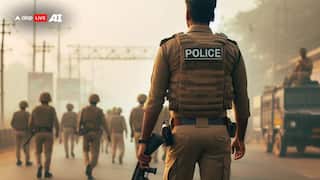
The Government of India announced a special pay allowance for commandos of the Central Armed Police Forces (CAPFs) who provide security to VIPs under the Z+ and Z+(ASL) categories. This decision follows a proposal from the Ministry of Home Affairs (MHA) and aims to recognise the high-risk duties of these personnel.
Background of VIP Security in India
VIP security in India is managed by various agencies, including the Special Protection Group (SPG) and the National Security Guard (NSG). These agencies are responsible for safeguarding high-profile individuals like government officials and business leaders. The CAPFs, particularly the Central Reserve Police Force (CRPF) and the Central Industrial Security Force (CISF), also play role in this domain.
Details of the Special Pay Allowance
The newly issued order allows a special security allowance (SSA) of 20% of the basic pay for CAPF personnel engaged in VIP security for Z+ and Z+(ASL) category protectees. This allowance is not extended to personnel guarding those under lower security classifications such as Y and X categories.
Criteria for Eligibility
Only commandos providing security to approximately 35 VIPs in the top categories will benefit from this allowance. Notable individuals under this protection include Union Home Minister Amit Shah and prominent political figures like Sonia Gandhi and Rahul Gandhi.
Comparison with Other Security Agencies
The SSA for CAPF personnel is lower than the allowances received by SPG and NSG personnel. SPG members receive 55% of their basic pay, while NSG commandos receive 40%. This disparity has led to calls for a uniform allowance across all security agencies.
Operational Challenges
The rotational nature of VIP security duties complicates the identification of personnel eligible for the SSA. With around 15,000 personnel from CRPF and CISF deployed for these tasks, determining who qualifies for the allowance poses logistical challenges.
Current Deployment of CAPFs
The CRPF currently provides security to about 220 VIPs, while the CISF protects around 140. The NSG also plays a role in securing nine Z-plus category VIPs. Coordination among these forces is essential for effective VIP protection.
Future Implications
The introduction of the SSA may influence the morale and operational efficiency of CAPF personnel. It marks the government’s recognition of the risks involved in VIP security but raises questions about equity among different security forces.
Questions for UPSC:
- Critically analyse the impact of special pay allowances on the morale of security personnel in India.
- What are the roles of the Central Reserve Police Force and the Central Industrial Security Force in VIP security? Explain their coordination mechanisms.
- What is the significance of the Advance Security Liaison (ASL) protocol in VIP protection? Discuss its implications for security operations.
- Comment on the disparities in pay allowances among different security agencies in India. What reforms could be proposed to address these differences?
Answer Hints:
1. Critically analyse the impact of special pay allowances on the morale of security personnel in India.
- Special pay allowances can enhance the motivation and job satisfaction of security personnel, recognizing their high-risk duties.
- Increased financial incentives may lead to improved performance and commitment to their roles.
- However, disparities in pay among different categories of security personnel could lead to feelings of inequality and resentment.
- The allowance may also attract more qualified candidates to the CAPFs, improving overall security standards.
- Conversely, if not uniformly applied, it could create divisions within the forces, negatively impacting teamwork and morale.
2. What are the roles of the Central Reserve Police Force and the Central Industrial Security Force in VIP security? Explain their coordination mechanisms.
- The CRPF provides security to high-risk VIPs, including political leaders and business magnates, ensuring their safety during public engagements.
- The CISF secures VIPs primarily in sensitive locations, such as airports and industrial facilities, focusing on infrastructure security.
- Both forces collaborate with local police and intelligence units to assess threats and plan security measures.
- They conduct joint training exercises to enhance coordination and response during security incidents.
- Regular communication channels are maintained to ensure timely updates on security protocols and operational changes.
3. What is the significance of the Advance Security Liaison (ASL) protocol in VIP protection? Discuss its implications for security operations.
- The ASL protocol is crucial for pre-emptively identifying security risks and planning protective measures for VIP movements.
- It involves reconnaissance of venues and coordination with local authorities to ensure comprehensive security coverage.
- Effective ASL implementation can reduce response times during security breaches and enhance overall safety.
- It encourages collaboration between various security agencies, improving intelligence sharing and operational efficiency.
- Failure to execute ASL properly can lead to vulnerabilities, potentially endangering the lives of protected individuals.
4. Comment on the disparities in pay allowances among different security agencies in India. What reforms could be proposed to address these differences?
- Disparities exist, with SPG and NSG personnel receiving higher allowances compared to CAPF personnel, leading to inequity.
- This pay gap can affect recruitment and retention of skilled personnel within the CAPFs, impacting overall security effectiveness.
- Proposed reforms could include a standardized pay structure across all agencies, ensuring fairness based on risk and responsibility.
- Conducting regular reviews of pay scales in relation to the evolving security landscape could help maintain equity.
- Engaging personnel in discussions about compensation and benefits can encourage a sense of inclusion and address grievances effectively.