
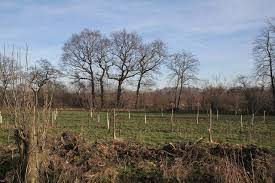
Land degradation and deforestation pose significant challenges to the environment, ecosystem health, and human well-being. Recognizing the urgency of these issues, India has embarked on a series of ambitious initiatives to combat land degradation and promote afforestation. Among these initiatives, the Nagar Van Yojana (Urban Forest Scheme) stands out as a beacon of progress, reflecting the country’s commitment to creating vibrant green spaces within urban areas.
Nagar Van Yojana
The Nagar Van Yojana, introduced in 2020, represents a visionary approach to urban development. The scheme envisions the creation of 1000 urban forests, known as Nagar Vans, across cities with Municipal Corporations, Municipal Councils, Municipalities, and Urban Local Bodies. These urban forests serve as green lungs, not only beautifying the urban landscape but also promoting a healthier, more sustainable living environment.
Key features of the Nagar Van Yojana
- Green Urban Spaces: The scheme focuses on establishing green spaces within urban settings, enhancing the aesthetic appeal of cities and fostering a closer connection between residents and nature.
- Biodiversity Awareness: Nagar Vans promote awareness about plants and biodiversity, instilling a sense of environmental stewardship among citizens.
- In-Situ Conservation: The initiative contributes to the conservation of regionally important flora, safeguarding local biodiversity.
- Environmental Improvement: Urban forests play a vital role in mitigating pollution, offering cleaner air, reducing noise, harvesting water, and combating the heat island effect, thereby enhancing the overall environmental quality of cities.
- Health and Resilience: Nagar Vans extend health benefits to city dwellers and contribute to building climate-resilient urban areas.
- The progress of the Nagar Van Yojana has been remarkable, with 385 projects sanctioned across the nation. This momentum underscores India’s commitment to creating sustainable and eco-conscious urban communities.
Holistic Approach: India’s Land Degradation Combat Initiatives
India’s efforts to combat land degradation and promote afforestation extend beyond urban forests. Several government initiatives and state-specific programs collectively contribute to these goals.
- National Forest Policy (NFP) 1988: This policy aims to achieve a minimum of one-third of the total land area under forest or tree cover, preserving ecological balance and preventing soil erosion in catchment areas.
- National Mission for a Green India (GIM): Under the National Action Plan on Climate Change, GIM seeks to increase forest and tree cover, restore degraded ecosystems, and enhance biodiversity.
- Forest Fire Protection & Management Scheme (FFPM): This scheme focuses on preventing and managing forest fires, crucial for maintaining the health of forests.
- Compensatory Afforestation Fund: Utilizing funds collected for forest land diversion, this approach supports afforestation and reforestation projects, restoring forest cover.
- State-Specific Initiatives: Programs like Mission Haritha Haram in Telangana and the Green Wall initiative in Haryana target specific regions for increased green cover.
Challenges Associated with Land Degradation
- Soil Erosion: Unsustainable practices and climate change contribute to soil erosion, impacting fertility.
- Desertification: Arid areas face degradation due to overgrazing and unsustainable land use.
- Industrialization and Urbanization: Urban expansion and industrial activities lead to soil sealing and pollution.
- Land Pollution: Improper waste disposal leads to contamination and reduced productivity.
Challenges Associated with Afforestation
- Species Selection: Choosing appropriate tree species for the local ecosystem is crucial.
- Survival and Growth: Ensuring newly planted trees thrive in challenging conditions.
- Competing Land Uses: Balancing afforestation with other land uses can be complex.
- Ecosystem Imbalance: Rapid afforestation without considering native species can disrupt ecosystems.
- Community Participation: Engaging local communities is essential for sustained afforestation efforts.
Way forward: Integrated Solutions
To overcome these challenges and forge a sustainable path forward, India is implementing a range of strategies:
- Integrated Landscape Management: Develop holistic land-use plans that integrate afforestation with other activities, preventing erosion and desertification.
- Science-Based Approach: Conduct research to select suitable tree species and promote agroforestry models for enhanced biodiversity.
- Bio-Engineering Solutions: Utilize bio-remediation techniques and bio-fencing to restore land health and prevent erosion.
- Traditional Ecological Wisdom: Collaborate with indigenous communities to incorporate traditional agroforestry practices into modern strategies.
- Eco-Entrepreneurship: Foster community-led afforestation enterprises for sustainable livelihoods and ownership.
- Sustainable Financing: Mobilize funds from various sources and ensure transparent allocation for afforestation projects.
- Monitoring and Innovation: Establish robust monitoring systems and invest in research and innovation for climate-resilient afforestation.