
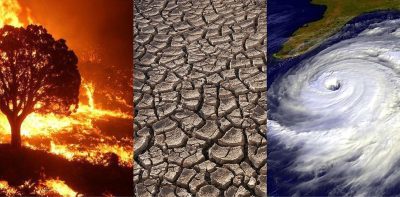
Recent events highlight the alarming rise in tropical storm activity linked to climate change. The West Pacific has seen an unusual cluster of typhoons, while the Atlantic has been battered by powerful hurricanes. This surge in storm intensity raises critical questions about the role of climate change in shaping these extreme weather patterns.
Typhoon Activity in the West Pacific
The Philippines faced its sixth deadly typhoon within a month, leading to important evacuations and loss of life. This unprecedented occurrence of four simultaneous tropical cyclones in November is the first since 1961. Scientists are investigating the connection between climate change and storm behaviour. While warmer sea surface temperatures can intensify storms, their overall frequency may be decreasing, particularly during late season months.
Impact of Climate Change on Storm Intensity
According to the Intergovernmental Panel on Climate Change (IPCC), there is a strong consensus that global warming increases storm intensity. Higher sea temperatures enhance evaporation, providing more energy for storms, which results in increased rainfall and wind speeds. However, attributing specific storm events directly to climate change remains complex.
Atmospheric Conditions and Storm Patterns
Recent atmospheric waves near the equator may explain the unusual uptick in storm activity. Additionally, a stronger sub-tropical ridge has influenced storm trajectories, pushing them away from cooler waters that typically weaken them. This phenomenon has allowed multiple cyclones to coexist, but more research is necessary to clarify the relationship between these atmospheric conditions and climate change.
Hurricane Trends in the Atlantic
In the Atlantic, recent analyses indicate increase in hurricane intensity due to record-breaking ocean warming. Warmer sea temperatures have raised average wind speeds and contributed to the emergence of more Category 5 hurricanes. Research suggests that over 80% of storms since 2019 have been influenced by elevated sea surface temperatures, denoting the urgent need for further investigation into the frequency and intensity of these storms.
Future Research Directions
Ongoing research is crucial to fully understand the interplay between climate change and tropical storm behaviour. While current evidence supports the idea that warmer oceans lead to stronger storms, the exact frequency changes remain uncertain. Continued study will help clarify these dynamics and inform climate adaptation strategies.
Questions for UPSC:
- Critically analyse the relationship between climate change and the intensity of tropical storms.
- What are the key atmospheric factors influencing tropical cyclone behaviour? Explain their significance.
- Comment on the implications of rising sea surface temperatures for hurricane frequency and intensity.
- Explain the role of the Intergovernmental Panel on Climate Change in assessing climate-related weather events.
Answer Hints:
1. Critically analyse the relationship between climate change and the intensity of tropical storms.
- Climate change leads to higher sea surface temperatures, which provide more energy for tropical storms.
- The Intergovernmental Panel on Climate Change (IPCC) states there is high confidence that global warming increases storm intensity.
- While intensity may increase, some evidence suggests a decrease in storm frequency during late season months.
- Attribution of individual storm events to climate change remains complex due to multiple influencing factors.
- Research indicates that warmer oceans contribute to increased rainfall and wind speeds in storms.
2. What are the key atmospheric factors influencing tropical cyclone behaviour? Explain their significance.
- Atmospheric waves near the equator can impact the frequency and intensity of tropical cyclones.
- The strength of the sub-tropical ridge affects storm trajectories, steering them away from cooler waters.
- High pressure systems can create conditions that allow multiple cyclones to coexist simultaneously.
- Wind shear typically weakens storms, but altered atmospheric conditions can mitigate this effect.
- About these factors is crucial for predicting storm patterns and preparing for extreme weather events.
3. Comment on the implications of rising sea surface temperatures for hurricane frequency and intensity.
- Rising sea surface temperatures are linked to increased hurricane intensity, leading to stronger storms.
- Record-breaking ocean warming has resulted in more hurricanes reaching the highest Category 5 status.
- While intensity is increasing, the overall frequency of hurricanes remains a subject of ongoing research.
- Over 80% of storms since 2019 have been influenced by elevated sea temperatures due to climate change.
- This trend puts stress on the need for urgent climate action and further research into storm dynamics.
4. Explain the role of the Intergovernmental Panel on Climate Change in assessing climate-related weather events.
- The IPCC provides comprehensive assessments of climate science, including impacts on weather events like tropical storms.
- It synthesizes research findings to offer high-confidence statements on the relationship between climate change and storm intensity.
- The panel informs policymakers about potential risks and necessary adaptations related to climate impacts.
- IPCC reports guide international climate negotiations and funding for climate resilience initiatives.
- Its role is very important in raising awareness and driving action on climate-related disasters globally.