
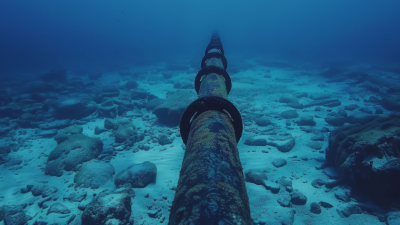
Submarine telecommunication cables are essential for global connectivity. They carry about 99% of internet traffic and support critical services. However, these cables face vulnerabilities from various threats. The International Telecommunication Union (ITU) and the International Cable Protection Committee (ICPC) have established the International Advisory Body for Submarine Cable Resilience. This initiative aims to enhance the resilience of submarine cables worldwide.
About Submarine Cables
Submarine cables link continents and facilitate global communication. More than 500 active and planned systems operate . These cables are designed to transmit large data volumes efficiently. They are protected by layers against environmental hazards and are optimised for high-speed data transmission.
Challenges Facing Submarine Cables
Submarine cables are prone to damage. Factors include fishing activities, anchoring, and natural hazards. Each year, 150 to 200 faults occur globally. In 2023 alone, over 200 repairs were reported. Such disruptions can lead to economic instability and internet access issues.
Role of the International Advisory Body
The International Advisory Body comprises 40 representatives from various countries. It will meet bi-annually to discuss policies and best practices. The body aims to promote resilience and mitigate risks associated with submarine cables. Members will share strategies to address increasing traffic and environmental threats.
India’s Contribution
India plays role in the global submarine cable network. The country hosts around 17 international cables across 14 landing stations. Major telecom operators include Tata Communications, Reliance Jio, and Bharti Airtel. These operators ensure robust connectivity and support for global communication.
Future Directions
The Advisory Body will provide strategic guidance on improving cable resilience. It will focus on damage prevention, rapid recovery, and sustainable practices. The inaugural meeting is set for December 2024, followed by a physical summit in Nigeria in February 2025.
Importance of the ITU
The ITU is very important in enhancing submarine cable resilience. As a UN agency for digital technologies, it develops best practices for securing these infrastructures. The ITU’s efforts include standard-setting and technical guidance for maintaining and protecting submarine cables.
Conclusion
Submarine cables are vital for the global digital economy. Their resilience is critical for maintaining connectivity and supporting essential services. Ongoing international cooperation will be key to addressing the challenges they face.
Questions for UPSC:
- Examine the role of submarine cables in global digital communication and their vulnerabilities.
- Discuss the impact of environmental hazards on submarine cable infrastructure and their economic implications.
- Analyse the significance of international cooperation in enhancing submarine cable resilience.
- Critically discuss the challenges faced by India in maintaining its submarine cable network and suggest possible solutions.
Answer Hints:
1. Examine the role of submarine cables in global digital communication and their vulnerabilities.
- Submarine cables carry approximately 99% of global internet traffic, supporting essential services like commerce and education.
- They link continents, enabling real-time applications such as video conferencing and financial trading.
- Vulnerabilities include damage from fishing, anchoring, natural hazards, and equipment failure, with 150-200 faults reported annually.
- In 2023, over 200 repairs were necessary, denoting the fragility of this infrastructure.
- Resilience is critical for maintaining global connectivity and economic stability.
2. Discuss the impact of environmental hazards on submarine cable infrastructure and their economic implications.
- Environmental hazards such as deep-sea pressure, corrosion, and marine activity can damage submarine cables, leading to service disruptions.
- Such disruptions can result in economic losses, affecting businesses reliant on uninterrupted internet access.
- Repairing damaged cables is costly and time-consuming, often taking months to restore full functionality.
- Economic implications include instability in financial markets and reduced access to essential services for millions.
- Increasing environmental threats necessitate enhanced resilience strategies and international cooperation.
3. Analyse the significance of international cooperation in enhancing submarine cable resilience.
- International cooperation encourages the sharing of best practices and technical expertise among countries and organizations.
- The International Advisory Body, comprising 40 global representatives, aims to address shared challenges and promote resilience.
- Collaboration helps establish standardized protocols for cable maintenance, damage prevention, and rapid recovery strategies.
- It ensures diverse perspectives are considered, including those of small island nations and large economies.
- Cooperation is essential for developing sustainable practices to protect submarine cables from growing environmental threats.
4. Critically discuss the challenges faced by India in maintaining its submarine cable network and suggest possible solutions.
- India’s submarine cable network faces challenges such as aging infrastructure and increasing traffic demands.
- Environmental hazards and fishing activities often lead to cable damage, requiring frequent repairs.
- Regulatory and permitting complexities can delay the deployment of new cables and upgrades.
- Possible solutions include investing in advanced monitoring technologies, enhancing regulatory frameworks, and encouraging public-private partnerships.
- Strengthening collaboration with international bodies can also improve resilience and response strategies.