
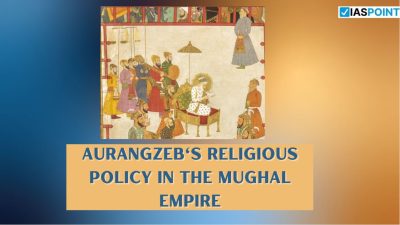
Aurangzeb, the sixth Mughal emperor, ruled from 1658 to 1707. He is often regarded as one of the most controversial figures in Indian history. His reign marked shift in the policies of the Mughal Empire, particularly regarding religion. Unlike his predecessors, Aurangzeb adopted a rigidly Islamic approach, which led to widespread unrest among non-Muslim subjects, particularly Hindus.
Religious Toleration Under Akbar
Akbar, Aurangzeb’s grandfather, is known for his policy of religious toleration. He abolished the Jizya tax on non-Muslims and promoted a syncretic culture. Akbar’s approach aimed to unify the diverse religious communities within his empire. This policy facilitated peace and stability during his reign.
Aurangzeb’s Shift in Policy
Aurangzeb reversed Akbar’s policies. He sought to impose Islamic law strictly and promote Sunni Islam. His reign was marked by intolerance towards other faiths, particularly Hinduism and Shia Islam. Historians describe him as a religious fanatic, committed to converting India into a Dar-ul-Islam (land of Islam).
Aims of Aurangzeb’s Religious Policy
Aurangzeb’s religious policy had two main aims:
- To promote the tenets of Islam among his subjects.
- To adopt measures that were anti-Hindu in nature.
Anti-Hindu Measures
Aurangzeb implemented several policies that targeted Hindus. These measures were systematic and aimed at undermining Hindu culture and practices.
Destruction of Temples
Aurangzeb ordered the demolition of numerous Hindu temples. As a governor, he had already destroyed temples in the Deccan. Upon becoming emperor, he intensified these efforts. Significant temples destroyed include:
- Krishna Janmabhoomi in Mathura
- Vishwanath Temple in Varanasi
- Somnath Temple in Kathiawar
In Mewar alone, it is reported that around 240 temples were razed.
Reimposition of Jizya
Aurangzeb reinstated the Jizya tax, which Akbar had abolished. This tax was levied on non-Muslims and aimed to distinguish between Muslims and non-Muslims. The imposition was strict, with Aurangzeb instructing officials to collect it rigorously. Critics argue that the tax was a means to force conversion to Islam.
Discriminatory Tax Policies
Under Aurangzeb, Hindu traders faced higher taxes compared to their Muslim counterparts. Hindu merchants paid a toll tax of 5%, while Muslim traders paid only 2.5% or were exempted altogether. This economic discrimination exacerbated tensions between communities.
Exclusion from Government Jobs
Aurangzeb limited the participation of Hindus in government roles. Unlike Akbar, who had appointed many Hindus to administrative positions, Aurangzeb issued orders to remove Hindus from key posts. In 1670, he prohibited Hindus from employment in the revenue department, leading to inefficiencies in administration.
Restrictions on Education
Aurangzeb imposed restrictions on Hindu educational institutions. He destroyed several schools and prohibited the establishment of new ones. Hindu children were denied access to Muslim madrasas and were not allowed to study their religious texts.
Forced Conversions
Under Aurangzeb’s rule, conversion to Islam became a means for Hindus to escape taxes. Promises of jobs and social acceptance were made to those who converted. Hindu prisoners were often released upon conversion.
Social Restrictions
Social restrictions were imposed on Hindus. Aurangzeb forbade most Hindus from riding elephants, horses, or using palanquins, except for Rajputs. Festivals like Holi and Diwali were allowed but with limitations. Hindus faced restrictions on clothing and rituals, including cremation practices along sacred rivers.
Consequences of Aurangzeb’s Policies
Aurangzeb’s policies led to unrest. His religious fanaticism weakened the Mughal Empire. Conflicts arose with various groups, including:
- Jats
- Sikhs
- Rajputs
- Marathas
- Satnamis
These rebellions disrupted the economy and weakened the administrative structure, contributing to the decline of the Mughal Empire.
Debate on Aurangzeb’s Intentions
Historians remain divided on Aurangzeb’s motivations. Some argue his policies stemmed from political and economic considerations rather than religious fanaticism. They suggest that his actions were aimed at consolidating power in a diverse empire. Others maintain that his anti-Hindu policies were driven by a genuine desire to promote Islam.
Aurangzeb’s Religious Beliefs
Aurangzeb is often described as an orthodox Muslim. He memorised the Quran and adhered strictly to Islamic rituals. His religious beliefs influenced his governance and policies, marking a shift from the more pluralistic approach of his predecessors.
Establishment of Islamic Law
Aurangzeb implemented Sharia law, known as Fatawa-e-Alamgiri. This legal framework aimed to govern the empire according to Islamic principles. He sought to enforce Islamic ethics and laws throughout his realm.
Destruction of Temples and Idols
The destruction of temples and idols remains a focal point of criticism against Aurangzeb. His actions are seen as attempts to eradicate Hindu religious symbols and practices. While some argue he built more mosques than he destroyed temples, evidence supporting this claim is limited.
Reimposition of Jizya Tax
The reimposition of the Jizya tax is often cited as an example of Aurangzeb’s discrimination against Hindus. Critics argue that this tax was not merely a revenue-generating measure but also a tool for religious oppression.
Supporters’ Perspective
Some historians defend Aurangzeb, arguing that his actions were politically motivated. They suggest that he faced resistance from various Hindu groups and that his policies were a response to these challenges. They also claim that his military campaigns were aimed at consolidating power rather than targeting Hindus specifically.
Critics’ Perspective
Critics highlight Aurangzeb’s letters to his sons, which reveal his anti-Hindu sentiments. They argue that his policies were consistent with a broader agenda of religious intolerance. The destruction of temples and the imposition of taxes are seen as clear indicators of his intentions.
Legacy of Aurangzeb
Aurangzeb’s legacy is contentious. He is viewed as a tyrant by many historians, while others see him as a ruler striving for Islamic unity. His reign marked a turning point in the Mughal Empire, leading to its eventual decline. The repercussions of his policies continue to influence perceptions of the Mughal period in Indian history.
Last Modified: December 23, 2024