
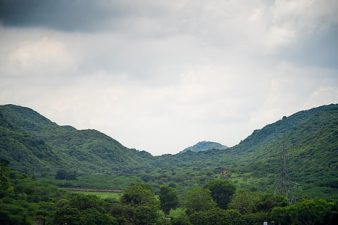
Former forest officers have raised concerns regarding a proposed zoo safari project in the Aravalli mountain range. This project, spanning 10,000 acres in the Gurugram and Nuh districts, was announced in April 2022. The officers have formally challenged the project with the Union Ministry of Environment, Forest and Climate Change. They cite alarming environmental degradation in the Aravalli range, primarily due to mining, real estate development, and deforestation.
Environmental Concerns
The Aravalli range is crucial for biodiversity. It is home to 180 bird species, 15 mammal species, and 29 aquatic animal species. Additionally, it hosts 57 butterfly species. The former officials argue that constructing a zoo or safari is not essential for wildlife conservation. They stress that effective conservation should focus on protecting natural habitats rather than confining animals to limited spaces.
Legal Implications
The proposed site for the zoo safari falls under the category of ‘forest’. The Supreme Court and National Green Tribunal have issued directives that prohibit activities such as tree cutting, land clearing, and construction within this ‘Prohibited Zone’. Therefore, the extensive construction required for the zoo safari is deemed illegal and poses a risk to the already fragile ecosystem.
Impact on Forest Cover
Haryana has the lowest forest cover in India, at about 3.6%. The Aravalli range constitutes part of this cover. If preserved, it could enhance humidity and rainfall in this arid region. The former officials argue that the project contradicts the need for conservation and restoration of this vital ecosystem.
Tourism and Economic Aspects
The Haryana government aims to boost tourism and attract investments through the zoo safari project. However, increased foot traffic and construction activities could severely impact the aquifers in drought-prone areas like Gurugram and Nuh. The interconnected nature of these aquifers means that disturbances could lead to changes in groundwater levels.
Groundwater Concerns
The Central Ground Water Board categorises the groundwater levels in Gurugram and Nuh as overexploited. In some areas, the groundwater table is already below 1,000 feet. The introduction of an ‘underwater zone’ in the safari park could further exacerbate water scarcity issues in this region, which is already struggling with limited water resources.
Call for Conservation
The former forest officers advocate for comprehensive conservation strategies. They believe that protecting the Aravalli range is paramount for maintaining ecological balance. Their emphasis is on the urgent need for effective measures to preserve this ancient mountain range, rather than pursuing projects that could lead to its degradation.
Questions for UPSC:
- Critically discuss the implications of deforestation on biodiversity in India.
- Examine the role of the Supreme Court and National Green Tribunal in environmental conservation.
- Analyse the relationship between tourism development and environmental sustainability in ecologically sensitive regions.
- Point out the significance of groundwater management in drought-prone areas of India.
Answer Hints:
1. Critically discuss the implications of deforestation on biodiversity in India.
- Deforestation leads to habitat loss, threatening species survival and reducing biodiversity.
- It disrupts ecosystems, affecting food chains and leading to species extinction.
- India’s diverse flora and fauna, including endangered species, are increasingly at risk due to habitat destruction.
- Loss of forest cover contributes to climate change, further endangering biodiversity.
- Conservation efforts must focus on protecting remaining forests to preserve ecological balance.
2. Examine the role of the Supreme Court and National Green Tribunal in environmental conservation.
- The Supreme Court enforces laws related to environmental protection, ensuring compliance with regulations.
- The National Green Tribunal adjudicates environmental disputes and promotes sustainable development.
- Both institutions play important role in interpreting environmental laws and protecting natural resources.
- They issue directives that restrict harmful activities in ecologically sensitive areas.
- Their rulings often lead to increased public awareness and advocacy for environmental conservation.
3. Analyse the relationship between tourism development and environmental sustainability in ecologically sensitive regions.
- Tourism can provide economic benefits but often leads to environmental degradation in sensitive areas.
- Increased foot traffic can strain local ecosystems, impacting wildlife and natural resources.
- Sustainable tourism practices are essential to minimize ecological footprints and protect biodiversity.
- Balancing tourism and conservation requires careful planning and regulation to protect habitats.
- Community involvement and education are key to promoting sustainable tourism initiatives.
4. Point out the significance of groundwater management in drought-prone areas of India.
- Groundwater is a critical resource for drinking water and agriculture in drought-prone regions.
- Overexploitation can lead to severe water scarcity, affecting livelihoods and food security.
- Effective groundwater management practices are essential for sustainable use and conservation.
- Rainwater harvesting and recharge initiatives can help restore groundwater levels.
- Community awareness and involvement are vital for successful groundwater management strategies.