
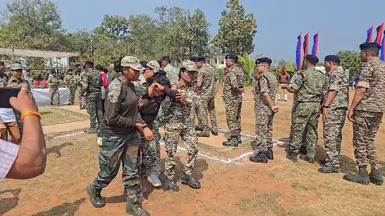
The Chhattisgarh Government introduced a new rehabilitation policy aimed at addressing the Maoist issue in the state. This initiative, approved during a Cabinet meeting led by Chief Minister Vishnu Deo Sai, seeks to provide comprehensive support to surrendered Maoists. The policy replaces the previous Chhattisgarh Naxalism Eradication Policy-2023 and aims to facilitate the reintegration of former insurgents into society.
Key Features of the Rehabilitation Policy
The Chhattisgarh Naxal Surrender/Victim Relief and Rehabilitation Policy-2025 focuses on several critical areas. It guarantees financial assistance, educational opportunities, and employment prospects for those who abandon violence. The policy also prioritises security measures to ensure a safe transition for these individuals.
Support for Victims of Maoist Violence
In addition to aiding surrendered Maoists, the policy extends support to victims of Maoist violence. This includes rehabilitation assistance and resources to help them recover from their experiences. The government aims to encourage a sense of hope and stability for all affected by the conflict.
Training and Skill Development Initiatives
The new policy includes provisions for training in self-employment and skill development. This strategy is designed to equip former Maoists with the necessary skills to sustain themselves and avoid returning to violence. The government is committed to ensuring that these individuals can lead dignified lives.
Additional Cabinet Decisions
During the same Cabinet meeting, the government also addressed concerns regarding corruption in the Bharatmala road project. An investigation by the Economic Offence Wing (EOW) was ordered to address these complaints. Furthermore, the establishment of the State Water Informatics Centre (SWIC) was approved to enhance water resource management in Chhattisgarh.
Good Governance Initiatives
The Cabinet also introduced the Chief Minister’s Good Governance Fellowship Scheme. This initiative aims to engage youth in governance and policy implementation, encouraging a culture of accountability and transparency within the state.
Impact on Maoist Insurgency
The Chhattisgarh government believes that this new rehabilitation policy will impact the long-standing Maoist insurgency. By providing support and opportunities, the government aims to encourage former insurgents to join the mainstream and contribute to the state’s peace and development.
Future Prospects
The policy is seen as a very important step towards eradicating Maoism in Chhattisgarh. The government hopes to create a more stable environment through these initiatives, ultimately leading to improved socio-economic conditions in the state.
Questions for UPSC:
- Examine the socio-economic impact of Maoism in Chhattisgarh and the government’s response to it.
- Discuss the significance of skill development programs in reducing insurgency in conflict-affected regions.
- What is the role of good governance in encouraging peace and stability in a state? Provide examples.
- Critically discuss the challenges faced by rehabilitation policies in integrating former militants into society.
Answer Hints:
1. Examine the socio-economic impact of Maoism in Chhattisgarh and the government’s response to it.
- Maoism has led to violence, loss of lives, and disruption of local economies in Chhattisgarh.
- The government response includes implementing rehabilitation policies aimed at reintegrating former Maoists and providing support to victims.
- Economic development initiatives, like the Bharatmala project, aim to improve infrastructure and create jobs.
- Security measures have been enhanced to combat Maoist activities while promoting peace and stability.
- Community engagement and support programs are crucial for addressing the root causes of insurgency, such as poverty and lack of education.
2. Discuss the significance of skill development programs in reducing insurgency in conflict-affected regions.
- Skill development programs provide former militants with vocational training, helping them secure stable employment.
- Such initiatives reduce the appeal of returning to violence by offering viable economic alternatives.
- They encourage self-reliance and dignity, contributing to social reintegration and community acceptance.
- Skill development can enhance local economies by creating a more skilled workforce, benefiting the broader society.
- Programs tailored to local needs ensure relevance and effectiveness, increasing participation and success rates.
3. What is the role of good governance in encouraging peace and stability in a state? Provide examples.
- Good governance promotes transparency, accountability, and public participation, which are essential for building trust in government.
- Effective governance mechanisms can address grievances that fuel conflict, thereby reducing the likelihood of insurgency.
- Programs like the Chief Minister’s Good Governance Fellowship Scheme engage youth in policy implementation, encouraging a sense of ownership.
- Governance frameworks that prioritize social welfare, security, and development create a conducive environment for peace.
- Examples include successful community policing initiatives and participatory budgeting that enhance public safety and resource allocation.
4. Critically discuss the challenges faced by rehabilitation policies in integrating former militants into society.
- Stigma and social discrimination often hinder the acceptance of former militants in their communities.
- Inadequate resources and support systems can limit the effectiveness of rehabilitation programs, leading to high dropout rates.
- Lack of sustainable job opportunities may push rehabilitated individuals back into violence as a means of survival.
- Family and community dynamics can complicate reintegration, especially if former militants are viewed with suspicion.
- Continuous monitoring and adaptation of policies are necessary to address evolving challenges and ensure long-term success.