
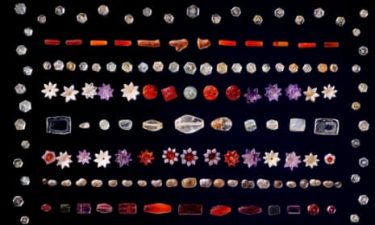
The Indian Ministry of Culture intervened to halt the auction of sacred Buddhist relics by Sotheby’s Hong Kong. The relics are artefacts excavated from the Piprahwa Stupa, which is associated with the birthplace of Lord Buddha. Following a legal notice from the Government of India, Sotheby’s committed to withdrawing the relics from the auction scheduled for May 7.
Background of the Relics
The Piprahwa Relics include bone fragments and caskets made of soapstone and crystal. They were discovered in 1898 by archaeologist William Claxton Peppé. An inscription in Brahmi script verifies their connection to the Buddha. Most of these artefacts were transferred to the Indian Museum in Kolkata in 1899 and are classified as ‘AA’ antiquities under Indian law.
Legal and Cultural Significance
Under Indian law, the removal or sale of ‘AA’ antiquities is strictly prohibited. The Ministry of Culture emphasised the relics’ cultural and religious importance. The auction’s announcement prompted protests from various Buddhist organisations, leading to government intervention.
Sotheby’s Response
In response to the legal notice, Sotheby’s communicated its commitment to cooperating with Indian authorities. The auction house acknowledged the significance of the relics and assured swift action to prevent their auction. This situation marks the ongoing tensions between cultural heritage preservation and the art market.
Government Actions
The Government of India took several steps to address the situation. The Archaeological Survey of India (ASI) requested assistance from the Consulate General of Hong Kong. Additionally, Culture Minister Gajendra Singh Shekhawat raised this issue during a bilateral meeting with UK officials, advocating for immediate action.
International Cooperation
The Ministry of External Affairs was tasked with engaging embassies in the UK and Hong Kong. This cooperation aims to reinforce the illegality of the auction under international law. The Financial Investigation Unit (FIU) is also involved in coordinating efforts with its Hong Kong counterpart.
Future Implications
The incident puts stress on the need for stronger international frameworks to protect cultural heritage. It raises awareness about the responsibilities of auction houses in handling artefacts of cultural value. The outcome of this situation may influence future policies regarding the sale of antiquities globally.
Questions for UPSC:
- Examine the role of international law in the protection of cultural heritage.
- Discuss the impact of colonial archaeology on contemporary cultural heritage issues in India.
- Critically discuss the responsibilities of auction houses in preserving historical artefacts.
- What are the legal implications of categorising artefacts as ‘AA’ antiquities under Indian law? How does this classification affect international auction practices?
Answer Hints:
1. Examine the role of international law in the protection of cultural heritage.
- International treaties like the UNESCO 1970 Convention aim to prevent illicit trade in cultural property.
- UNESCO’s World Heritage Convention promotes the preservation of sites of cultural significance.
- International law facilitates cooperation between countries for the repatriation of stolen or illegally traded artefacts.
- Legal frameworks help establish the ownership and provenance of cultural items, supporting rightful claims.
- Global awareness and advocacy through international organizations strengthen cultural heritage protection efforts.
2. Discuss the impact of colonial archaeology on contemporary cultural heritage issues in India.
- Colonial archaeology often prioritized Western perspectives, leading to the misrepresentation of Indian cultural narratives.
- Artifacts excavated during colonial times are frequently held in foreign museums, raising repatriation demands.
- Colonial practices established a legacy of ownership disputes over cultural heritage, complicating modern claims.
- Contemporary archaeology in India seeks to reclaim narratives and promote indigenous perspectives.
- Awareness of colonial exploitation has led to stronger movements advocating for the protection of local heritage.
3. Critically discuss the responsibilities of auction houses in preserving historical artefacts.
- Auction houses must verify the provenance of artefacts to ensure they are not illegally obtained.
- They should adhere to ethical guidelines and international laws regarding the sale of cultural property.
- Responsible auction houses promote transparency and provide information about the cultural significance of items.
- They can play a role in repatriation efforts by cooperating with governments and cultural institutions.
- Public awareness campaigns by auction houses can educate buyers about the importance of preserving cultural heritage.
4. What are the legal implications of categorising artefacts as ‘AA’ antiquities under Indian law? How does this classification affect international auction practices?
- ‘AA’ antiquities are protected under Indian law, prohibiting their sale or removal from the country.
- This classification reinforces India’s claim over cultural heritage and complicates international sales of such items.
- It creates legal challenges for auction houses, requiring them to ensure compliance with Indian laws.
- International auction practices must navigate these legal frameworks to avoid penalties and reputational damage.
- This classification can lead to increased scrutiny and pressure for repatriation of cultural artifacts globally.