
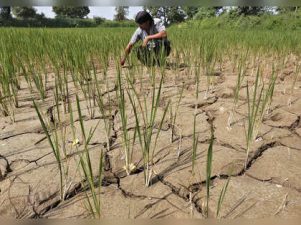
The Union Agriculture Minister, Shivraj Singh Chouhan, announced a nationwide campaign aimed at modernising Indian agriculture. This initiative, named ‘Viksit Krishi Sankalp Abhiyan’, will run from May 29 to June 12. The campaign seeks to educate 1-1.5 crore farmers on new technologies and seed varieties. It will also address issues surrounding spurious seeds through potential amendments to the Seeds Act of 1966.
Objectives of the Campaign
The primary goal is to enhance agricultural productivity. The campaign targets the dissemination of information about climate-resilient seeds, fertiliser availability, and government programmes. It aims to bridge the gap in crop yield between state of Indias and the global average.
Structure of the Campaign
The initiative will involve 2,000 teams comprising farm scientists, officials, and progressive farmers. Each team will conduct three meetings daily at the district level. The aim is to reach 10-12 lakh farmers each day across 700 districts.
Role of State Governments
State agriculture ministers are urged to lead local efforts. They will work alongside the Centre to ensure the campaign’s success. Chief ministers will also be contacted to support the initiative.
Technology Transfer to Farmers
Chouhan emphasised the importance of transferring research from laboratories to farmers’ fields. This includes ensuring timely access to new seed varieties and modern farming practices.
Focus on Soil Health
The campaign will promote the use of soil health cards. These cards help farmers utilise fertilizers effectively, enhancing soil health and productivity.
Achievements and Future Goals
The government has reported increased food grain production even in adverse weather conditions. However, there is opportunity for growth in the agriculture sector. The focus will be on increasing yield through modern practices and reducing input costs.
Addressing Spurious Seeds
The campaign will highlight the need for strict action against the sale of spurious seeds. This is crucial for ensuring farmers receive quality seeds and protecting their interests.
Enhancing Agricultural Extension Services
Improving agricultural extension services is vital for boosting productivity. The initiative aims to create a direct line of communication between farmers and scientists.
Climate Resilience in Agriculture
The campaign will educate farmers on climate-resilient farming practices. This is essential for adapting to changing weather patterns and ensuring sustainable agricultural practices.
Government Support for Farmers
The government aims to provide adequate stock of seeds and fertilizers for the kharif sowing season. Enhanced procurement at minimum support prices (MSP) will also ensure fair prices for farmers.
Questions for UPSC –
- Critically examine the role of technology in enhancing agricultural productivity in India.
- Discuss the impact of climate change on agricultural practices and food security in India.
- Explain the significance of soil health management in sustainable agriculture.
- Comment on the importance of government policies in protecting farmers’ interests against spurious seed sales.
Answer Hints:
1. Critically examine the role of technology in enhancing agricultural productivity in India.
- Modern technologies like precision farming and biotechnology can increase crop yields.
- Access to climate-resilient seed varieties helps farmers adapt to changing weather patterns.
- Data analytics and IoT applications provide real-time insights for better farm management.
- Government campaigns, such as ‘Viksit Krishi Sankalp Abhiyan’, promote technology transfer to farmers.
- Training and awareness programs are essential for farmers to effectively utilize new technologies.
2. Discuss the impact of climate change on agricultural practices and food security in India.
- Climate change leads to unpredictable weather patterns, affecting crop yields and farming schedules.
- Increased frequency of extreme weather events threatens food production and farmer livelihoods.
- Adoption of climate-resilient farming practices is essential for sustaining agricultural output.
- Government initiatives aim to educate farmers on adapting to climate change through new technologies.
- Food security is jeopardized as crop failures increase, necessitating improved resilience strategies.
3. Explain the significance of soil health management in sustainable agriculture.
- Soil health is crucial for nutrient availability, impacting crop productivity and quality.
- Soil health cards help farmers apply fertilizers judiciously, promoting sustainable practices.
- Healthy soils enhance water retention, reducing irrigation needs and improving resilience to drought.
- Soil management practices contribute to ecosystem balance and biodiversity conservation.
- Improving soil health supports long-term agricultural sustainability and food security.
4. Comment on the importance of government policies in protecting farmers’ interests against spurious seed sales.
- Amendments to the Seeds Act, 1966, are necessary to regulate seed quality and prevent fraud.
- Government initiatives educate farmers about identifying quality seeds versus spurious ones.
- Strict enforcement of regulations can deter illegal seed sales, protecting farmers’ investments.
- Transparency and traceability in seed supply chains are essential for maintaining quality standards.
- Supportive policies ensure that farmers have access to reliable seed sources, enhancing productivity.