
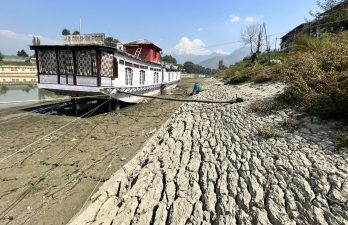
The Kashmir Valley experienced record-breaking heat in 2025. On July 5, Srinagar recorded its highest temperature in over seventy years. The health resort of Pahalgam also saw its highest-ever daytime temperature. This follows the valley’s hottest June in nearly five decades. Traditionally known for its temperate climate, Kashmir’s recent weather patterns are increasingly erratic and warming.
Climate of Kashmir Valley
Kashmir has a temperate climate with four distinct seasons – spring, summer, autumn and winter. Spring and autumn are usually pleasant. Winter brings sub-zero temperatures and snowfall, especially in high-altitude areas. Summers are mild with temperatures up to 36°C in cities and around 30°C in hill resorts like Gulmarg and Pahalgam. Western disturbances bring rainfall that cools the region. July and August are the hottest months.
Recent Temperature Trends
In recent years, Kashmir’s temperatures have steadily increased. The valley has experienced longer dry spells and less rainfall. Recently, June was the hottest in nearly 50 years, with temperatures about 3°C above normal. On July 5, Srinagar reached 37.4°C, the highest in over seven decades and the third-highest ever recorded. Pahalgam hit 31.6°C, breaking its previous record of 31.5°C set just last year.
Concerns Over Rising Temperatures
Experts warn that the consistent rise in temperatures is troubling. Unlike past isolated heat spikes, this year’s temperatures have stayed above normal for extended periods. Both daytime highs and nighttime lows remain elevated. This sustained heat stresses ecosystems, agriculture and human health in the valley.
Reasons Behind Temperature Rise
The India Meteorological Department cites multiple causes. Global warming is increasing temperatures worldwide. In Kashmir, earlier, temperatures above 35°C were followed by rainfall, which provided relief. Now, dry spells have lengthened due to less water vapour. Snowfall in the mountains has declined and melts earlier, leaving bare slopes that absorb more heat. Urban Heat Islands also contribute .
Urban Heat Islands and Their Impact
Urban Heat Islands (UHIs) occur when urban areas are warmer than rural surroundings. Rapid urbanisation, concrete surfaces, reduced vegetation and fewer water bodies cause UHIs. Srinagar’s urban planning leaves little green cover, intensifying heat retention. Vehicular emissions and industrial activity further increase temperatures. UHIs exacerbate the valley’s warming trend and affect local climate conditions.
Changing Weather Patterns and Their Effects
The shift in Kashmir’s climate affects agriculture, water resources and biodiversity. Erratic rainfall and prolonged heat stress crops and water availability. Melting snow impacts river flows. Rising temperatures increase heat-related illnesses. The valley’s unique ecosystem faces challenges as climate variability grows.
Adaptation and Mitigation Efforts
Addressing rising temperatures requires integrated measures. Enhancing green cover in urban areas can reduce UHIs. Sustainable water management is needed to conserve snow and rainfall. Promoting clean energy and reducing emissions will help mitigate global warming impacts. Awareness and preparedness can reduce health risks from heat waves.
Questions for UPSC:
- Discuss in the light of climate change how Urban Heat Islands affect local weather patterns and public health in mountainous regions.
- Critically examine the impact of declining snowfall on river systems and agriculture in the Himalayan region.
- Explain the role of western disturbances in the Indian climate system. How does their variability influence regional agriculture and water resources?
- With suitable examples, discuss the challenges and strategies for sustainable urban planning in ecologically sensitive areas like Kashmir Valley.
Answer Hints:
1. Discuss in the light of climate change how Urban Heat Islands affect local weather patterns and public health in mountainous regions.
- Urban Heat Islands (UHIs) cause urban areas to be warmer than surrounding rural zones due to concrete, asphalt, and reduced vegetation.
- In mountainous regions like Kashmir, UHIs intensify heat retention, disrupting the typically mild climate and increasing local temperatures.
- UHIs reduce nighttime cooling, leading to elevated minimum temperatures and prolonged heat stress.
- Higher temperatures exacerbate heat-related illnesses, respiratory problems, and cardiovascular diseases in local populations.
- UHIs can alter local weather patterns by reducing humidity and rainfall, worsening dry spells and drought conditions.
- Climate change amplifies UHI effects by increasing baseline temperatures and reducing natural cooling mechanisms like snowfall and vegetation.
2. Critically examine the impact of declining snowfall on river systems and agriculture in the Himalayan region.
- Snowfall acts as a natural reservoir, storing water in winter and releasing it gradually during warmer months, sustaining river flows.
- Declining snowfall reduces spring and summer meltwater, leading to lower river discharge and affecting water availability downstream.
- Reduced river flows impact irrigation, threatening agricultural productivity and food security in Himalayan foothills and plains.
- Early snowmelt can cause temporal mismatch between water availability and crop water demand.
- Declining snow cover also affects groundwater recharge and hydropower generation potential.
- Long-term decline in snowfall contributes to ecosystem stress and biodiversity loss in the Himalayan region.
3. Explain the role of western disturbances in the Indian climate system. How does their variability influence regional agriculture and water resources?
- Western disturbances are extratropical storms originating from the Mediterranean that bring winter and pre-monsoon rainfall to northwestern India, including Kashmir.
- They provide crucial winter precipitation, replenishing soil moisture and supporting rabi crop cultivation.
- Western disturbances contribute to snowfall in the Himalayas, sustaining water reservoirs and river flows.
- Variability in western disturbances leads to erratic rainfall patterns, causing droughts or floods that disrupt agriculture.
- Reduced western disturbances decrease snowfall and rainfall, intensifying dry spells and water scarcity.
- Timely and adequate western disturbance precipitation is essential for maintaining regional water security and crop yields.
4. With suitable examples, discuss the challenges and strategies for sustainable urban planning in ecologically sensitive areas like Kashmir Valley.
- Challenges include limited green spaces, rapid urbanization, increased concrete surfaces causing Urban Heat Islands, and pressure on fragile ecosystems.
- Water scarcity and waste management are critical due to reduced snowfall and changing rainfall patterns.
- Strategies involve integrating green infrastructure like parks, urban forests, and water bodies to mitigate heat and enhance biodiversity.
- Promoting sustainable transport and reducing vehicular emissions help lower pollution and heat generation.
- Adopting zoning regulations to limit construction in sensitive zones and encouraging use of eco-friendly building materials.
- Community participation and awareness campaigns are vital for maintaining ecological balance and resilience against climate impacts.