
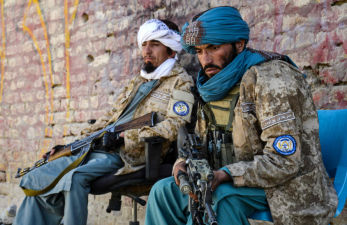
Intense clashes erupted between Pakistan and Afghanistan along the Durand Line. Both sides reported heavy casualties. Pakistan claimed killing over 200 fighters linked to terrorist groups. The Taliban stated that 58 Pakistani soldiers were killed. The conflict involved precision strikes and raids targeting militant camps and training centres. Pakistan closed border crossings following the clashes. These events mark the most confrontation between the two neighbours in recent years and signal a shift in Taliban-Pakistan relations.
Geographical Significance of the Durand Line
The Durand Line divides Pakistan and Afghanistan, stretching from Chitral in the north to Waziristan in the south. Key Afghan provinces bordering Pakistan include Kabul and Paktika. Kabul lies about 230 km from the Torkham border post. Paktika borders Pakistan’s tribal regions of North and South Waziristan. These areas are strongholds of tribal groups like the Mehsud and Wazir. The rugged terrain and tribal dynamics complicate border control and security.
Triggers and Underlying Causes of the Conflict
The immediate trigger was Pakistan’s air strikes in Kabul and Paktika on 9 October, allegedly targeting the Pakistan Taliban leader Noor Wali Mehsud. These attacks coincided with the Afghan foreign minister’s visit to India, signalling Pakistan’s displeasure over Afghanistan’s growing ties with New Delhi. Pakistan views the Taliban as a proxy and expects loyalty. The Taliban, however, seeks independent foreign relations, engaging with China and Russia. Pakistan demands the Taliban stop supporting the Tehrik-e-Taliban Pakistan (TTP), which the Taliban denies. The deeper causes include Pakistan’s control over Afghan policy, deportation of Afghan refugees, and repeated closure of key border points used for trade and movement.
Pakistan’s Strategic Expectations and Taliban’s Independent Stance
Pakistan’s military establishment regards the Taliban as its creation and expects subservience. It wants the Taliban to align with its strategic interests, including curbing TTP activities and limiting ties with India. The Taliban rejects this vassal status and pursues independent diplomacy. Recent engagements with China, Russia, and India demonstrate this shift. Pakistan’s unilateral actions, such as deportations and border closures, strain relations further. The civil-military imbalance in Pakistan weakens coherent policy towards Afghanistan.
Impact of Border Closures and Refugee Deportations
Border points at Torkham and Chaman are vital for Afghanistan’s trade and movement. Pakistan’s repeated closures disrupt Afghan economy and daily life. Since 2023, Pakistan has deported both undocumented and registered Afghan refugees. This has drawn criticism from the Taliban and international bodies like the UN Human Rights Council. Afghan nationals in Pakistan, once seen as strategic assets, are now viewed as liabilities. These actions deepen mistrust and complicate bilateral ties.
Regional Realignments and Future Prospects
Both Pakistan and the Taliban are adjusting to changing regional dynamics. Pakistan has improved ties with Iran, Saudi Arabia, and the US. The Taliban seeks wider recognition and economic partnerships with China, Russia, and India. Afghanistan’s stability depends on these external relations. Pakistan’s internal security challenges in Balochistan and KP also influence its Afghan policy. Continued military dominance over foreign policy may worsen tensions. The evolving situation demands delicate diplomacy to prevent further conflict.
Questions for UPSC:
- Taking the example of the Durand Line clashes, discuss the impact of border disputes on regional security in South Asia.
- Examine the role of non-state actors like the Tehrik-e-Taliban Pakistan (TTP) in shaping India-Pakistan-Afghanistan relations.
- Analyse the implications of refugee deportations on bilateral relations and regional stability, with reference to Afghan refugees in Pakistan.
- Discuss in the light of recent events how civil-military relations in Pakistan influence its foreign policy towards Afghanistan and its neighbours.
Answer Hints:
1. Taking the example of the Durand Line clashes, discuss the impact of border disputes on regional security in South Asia.
- Border disputes like the Durand Line trigger cross-border military clashes causing casualties and instability.
- They exacerbate mistrust and hostility between neighbouring countries, hindering diplomatic relations.
- Such disputes provide space for militant groups to operate, complicating counterterrorism efforts.
- Repeated border closures disrupt trade, movement, and economic interdependence, affecting regional stability.
- They often draw in external powers, increasing geopolitical competition in South Asia.
- Long-standing unresolved borders entrench nationalist sentiments, making peaceful resolution difficult.
2. Examine the role of non-state actors like the Tehrik-e-Taliban Pakistan (TTP) in shaping India-Pakistan-Afghanistan relations.
- TTP operates across Pakistan-Afghanistan border, complicating bilateral security and trust.
- Pakistan accuses Taliban of harboring TTP, straining Pakistan-Afghanistan ties and undermining peace efforts.
- TTP’s attacks in Pakistan provoke military responses affecting regional stability and cross-border dynamics.
- India’s alleged support to anti-Pakistan proxies adds another layer of complexity in trilateral relations.
- Non-state actors exploit porous borders, making state control and diplomacy challenging.
- The presence of TTP influences Pakistan’s strategic calculus and its relations with Afghanistan and India.
3. Analyse the implications of refugee deportations on bilateral relations and regional stability, with reference to Afghan refugees in Pakistan.
- Mass deportations strain Pakistan-Taliban relations, increasing diplomatic tensions and mistrust.
- Refugees serve as socio-economic assets and liabilities, affecting host country’s internal security and economy.
- Unilateral deportations violate international norms, attracting criticism from global bodies like the UN.
- Forced returns risk humanitarian crises and destabilize Afghanistan’s fragile socio-political environment.
- Refugee issues impact people-to-people ties and complicate border management policies.
- They reflect broader geopolitical struggles and influence regional cooperation frameworks.
4. Discuss in the light of recent events how civil-military relations in Pakistan influence its foreign policy towards Afghanistan and its neighbours.
- Pakistan’s military Establishment dominates Afghan policy, sidelining civilian government and Parliament.
- Military’s strategic interests drive confrontational and unilateral actions, e.g., border closures and strikes.
- Weak civil-military relations lead to inconsistent, opaque foreign policy decision-making.
- Civilian leaders publicly support military actions, reflecting limited civilian autonomy.
- Military’s control exacerbates tensions with neighbours, undermining diplomatic engagement.
- This imbalance complicates Pakistan’s regional relations and long-term peace prospects.