
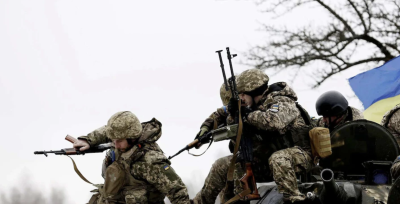
The Supreme Court of India ruled that deceptive recruitment of Indian nationals for the Ukraine war constitutes human trafficking. The judgment was delivered during a hearing on cases involving recruitment agencies sending Indians to conflict zones under false pretences. The court emphasised the exploitation involved in such recruitment practices.
Case Background and Context
The cases pertain to recruitment agencies that promised employment or training abroad but sent Indian citizens to Ukraine amid ongoing conflict. Many recruits were unaware of the war situation or the nature of their deployment. Complaints were filed by families and affected individuals alleging fraud and illegal recruitment.
Legal Interpretation by Supreme Court
The Supreme Court classified deceptive recruitment for war zones as trafficking under existing anti-trafficking laws. The court held that misleading individuals about job nature and destination violates human rights and criminal statutes. It directed authorities to investigate and prosecute involved agencies under the Trafficking of Persons Act.
Government and Law Enforcement Response
The Ministry of External Affairs and law enforcement agencies were instructed to enhance monitoring of overseas recruitment. The court mandated stricter regulation of recruitment firms and increased support for victims. Measures include verification of recruitment contracts and awareness campaigns on safe migration.
Impact on Recruitment Practices
The ruling sets a precedent for treating deceptive war-zone recruitment as a serious crime. Recruitment agencies now face legal scrutiny for misrepresenting job conditions. The decision aims to prevent exploitation of vulnerable Indian workers by unscrupulous recruiters.
What to Study for UPSC Exams?
- Human Trafficking Laws India
- Supreme Court Judgments
- International Labour Migration
- India-Ukraine Relations
Human Trafficking Laws India
India’s primary anti-trafficking law is the Immoral Traffic (Prevention) Act, 1956. The Trafficking of Persons (Prevention, Protection and Rehabilitation) Bill was introduced to broaden protections but is yet to be fully enacted. Indian law criminalizes trafficking for forced labor, sexual exploitation, and organ trade, with penalties up to life imprisonment. Victim rehabilitation provisions remain limited and under-implemented.
Supreme Court Judgments
The Supreme Court of India delivers binding interpretations of constitutional and statutory laws. It has expanded rights in cases like Vishaka vs State of Rajasthan (sexual harassment guidelines) and Navtej Singh Johar vs Union of India (decriminalizing homosexuality). SC rulings often set legal precedents and influence policy reforms across diverse domains including human rights, environment, and labor laws.
International Labour Migration
International labour migration involves over 280 million global migrant workers as of 2020. It contributes significantly to remittances, totaling over $700 billion worldwide annually. Migrant workers face risks like exploitation, legal insecurity, and lack of social protection, especially in informal sectors. The International Labour Organization promotes fair migration and decent work standards globally.
India-Ukraine Relations
India and Ukraine established diplomatic relations in 1992 after the Soviet Union’s dissolution. Ukraine is a key supplier of defense equipment and agricultural products to India. Educational ties include thousands of Indian students in Ukrainian medical universities. Bilateral trade remains modest but strategic cooperation is expanding in science, technology, and energy sectors.
Last Modified: April 11, 2026