
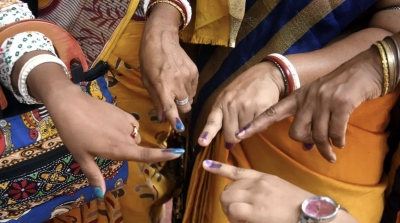
The Election Commission of India (ECI) reported higher voter turnout among women compared to men in multiple recent state elections. States including Madhya Pradesh, Rajasthan, Chhattisgarh, and Jharkhand recorded female voter participation exceeding male turnout by margins ranging from 1% to 3%. This trend was observed in both urban and rural constituencies.
State-wise Voter Turnout Data
In Madhya Pradesh, women’s turnout was 73.5%, surpassing men’s 71.2%. Rajasthan recorded 74.8% for women and 72.1% for men. Chhattisgarh reported 68.9% female turnout against 67.1% male turnout. Jharkhand showed 65.4% women voters compared to 63.2% men. These figures are based on official ECI polling data from the latest assembly elections.
Demographic and Regional Variations
Higher female turnout was consistent across various age groups, particularly among voters aged 18-29 and 30-44 years. Rural areas exhibited a slightly larger gender gap in favour of women’s participation than urban centres. Tribal and Scheduled Caste dominated constituencies also showed increased female voter engagement, with some areas reporting over 5% higher turnout among women.
ECI Initiatives and Measures
The ECI attributed increased female participation to targeted voter awareness campaigns, facilitation of women-only queues at polling stations, and improved accessibility measures such as mobile polling booths. Enhanced voter education programmes focused on women’s electoral rights were implemented in these states prior to elections.
Historical Turnout Trends
This marks a shift from previous elections where male voter turnout typically exceeded female turnout by 1-2%. The 2024 state elections reflect a growing trend of gender parity or female dominance in voter participation. The ECI continues to monitor these patterns for future electoral planning.
What to Study for UPSC Exams?
- Election Commission of India
- Voter Turnout Trends
- Electoral Participation by Gender
- State Assembly Elections Data
Election Commission of India
The Election Commission of India was established in 1950 as an autonomous constitutional authority. It conducts free and fair elections for the President, Vice-President, Parliament, and state legislatures. The ECI introduced the Electronic Voting Machine (EVM) in 1999 to enhance voting accuracy and speed. It also enforces the Model Code of Conduct during elections to regulate political parties and candidates.
Voter Turnout Trends
Global voter turnout averages around 60-70% in national elections but varies widely by country and election type. Compulsory voting countries like Australia see turnout above 90%. Youth voter turnout is generally lower than older demographics worldwide. Urban areas often record lower turnout than rural, influenced by factors like mobility and political engagement.
Electoral Participation by Gender
Women’s voter turnout has historically lagged behind men’s globally but is closing gaps in many democracies. In some Nordic countries, female turnout surpasses male participation. Gender gaps in voting often reflect social norms, education, and political mobilization. Women voters tend to prioritize issues like healthcare and education more than men, influencing electoral outcomes.
State Assembly Elections Data
State assembly elections in India are held every five years to elect members to Vidhan Sabhas. Voter turnout varies significantly across states, influenced by literacy, socio-economic status, and political climate. Data shows rural constituencies often have higher turnout than urban ones. Election results impact local governance and can signal trends for national elections.
Last Modified: April 11, 2026