
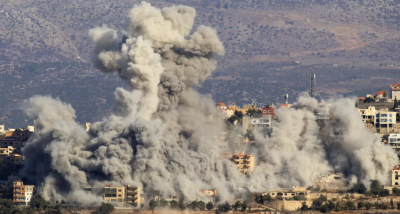
The ongoing conflict between Israel and Hezbollah, along with escalating tensions involving Iran, has resulted in significant civilian casualties and displacement in the Middle East. The Israel-Hezbollah clashes have intensified since October 2023, with over 1,200 civilian deaths reported in Lebanon and northern Israel. Iran’s involvement has increased regional instability through military support and proxy engagements.
Casualties and Displacement
The Israel-Hezbollah conflict has caused widespread destruction in southern Lebanon and northern Israel. Over 200,000 people have been displaced in Lebanon, while approximately 150,000 Israelis have evacuated border areas. Civilian infrastructure, including hospitals and schools, has sustained heavy damage. Casualties include women and children on both sides.
Iran’s Role and Regional Escalation
Iran has provided arms, funding, and training to Hezbollah, intensifying the conflict. Iranian-backed militias in Syria and Iraq have increased cross-border attacks against Israel. Tehran’s strategic support aims to counter Israeli influence but has heightened the risk of broader regional warfare.
Humanitarian Response and Aid
United Nations agencies and international NGOs are delivering emergency aid to affected civilians. Food, medical supplies, and shelter are priorities in Lebanon and Israel. Access to conflict zones remains limited due to ongoing hostilities and security concerns.
Diplomatic Efforts and Ceasefire Attempts
Multiple ceasefire proposals by the UN and regional actors have been rejected or violated. Diplomatic negotiations involve the US, Russia, and Middle Eastern countries. The lack of a durable ceasefire prolongs civilian suffering and hinders humanitarian access.
What to Study for UPSC Exams?
- Proxy Wars in Middle East
- Humanitarian Law in Conflict Zones
- Regional Security Complex Theory
- Role of Non-State Actors
Proxy Wars in Middle East
Proxy wars in the Middle East involve external powers supporting local factions to extend influence without direct combat. The Iran-Saudi Arabia rivalry fuels many such conflicts, notably in Yemen and Syria. These wars often blur state and non-state actor roles, complicating peace efforts and prolonging regional instability.
Humanitarian Law in Conflict Zones
Humanitarian law, notably the Geneva Conventions, governs conduct during armed conflicts to protect civilians and prisoners. It prohibits targeting non-combatants and mandates aid access. Violations can constitute war crimes, but enforcement remains challenging amid ongoing hostilities and fragmented authority in conflict zones.
Regional Security Complex Theory
The Regional Security Complex Theory posits that security interdependence is strongest among geographically proximate states. Conflicts and alliances within a region are interconnected, shaping local and global power dynamics. It helps analyze Middle East tensions as a set of linked security dilemmas rather than isolated disputes.
Role of Non-State Actors
Non-state actors like militias, insurgents, and terrorist groups operate independently of governments yet influence conflicts significantly. Hezbollah, Hamas, and ISIS exemplify such groups in the Middle East, often receiving external support and engaging in asymmetric warfare, complicating traditional state-centric security frameworks.
Last Modified: April 15, 2026