
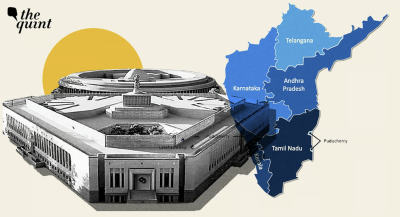
The delimitation exercise in India has sparked debate over its impact on Lok Sabha seat distribution in southern states. The process, led by the Delimitation Commission, aims to redraw parliamentary constituencies based on the 2011 Census. Key southern states affected include Tamil Nadu, Karnataka, Andhra Pradesh, and Kerala.
Delimitation Commission and Process
The Delimitation Commission, established under the Delimitation Act, 2002, is responsible for redrawing boundaries of Lok Sabha and Assembly constituencies. It uses 2011 Census population data to ensure equal representation. The commission’s orders have the force of law and are not subject to judicial review. The current exercise is the first delimitation since 2008.
Impact on Southern States’ Seat Allocation
Tamil Nadu, Karnataka, Andhra Pradesh, and Kerala face potential changes in Lok Sabha seat numbers and boundaries. Population shifts since the last delimitation have altered voter distributions. Tamil Nadu is projected to gain seats, while Andhra Pradesh and Karnataka may see reductions. Kerala’s seat count is expected to remain stable. The exact number of seats per state will be finalised after the commission’s report.
Political Responses and Concerns
Political parties in southern states have expressed concerns over possible seat losses or gains affecting regional influence. Some parties argue delimitation may dilute representation of specific communities and regions. Others demand transparency in the criteria used for boundary adjustments. The central government has reiterated that delimitation is a constitutional mandate.
Timeline and Implementation
The Delimitation Commission is expected to submit its final report by late 2024. The new boundaries will be used in subsequent Lok Sabha elections. Implementation requires coordination between the Election Commission of India and state governments. The delimitation exercise will not affect the total number of Lok Sabha seats, which remains at 543.
What to Study for UPSC Exams?
- Delimitation Commission Act
- Constitutional Provisions on Representation
- Population Census and Electoral Rolls
- Federalism and State Representation
Delimitation Commission Act
The Delimitation Commission Act, 2002, legally mandates the redrawing of parliamentary and assembly constituencies in India. The commission’s orders are final and cannot be challenged in court. It ensures constituencies reflect population changes based on the latest Census data to maintain equal representation.
Constitutional Provisions on Representation
Articles 81 and 170 of the Indian Constitution govern the composition of Lok Sabha and State Assemblies. Seat allocation is population-based but frozen since 1976 to promote family planning. Delimitation adjusts boundaries without changing total seats, preserving federal balance.
Population Census and Electoral Rolls
The Census, conducted every ten years, provides demographic data critical for delimitation. Electoral rolls list eligible voters and are updated regularly to reflect changes. Both ensure equitable constituency formation and accurate voter representation.
Federalism and State Representation
India’s federal structure grants states representation in Parliament proportional to population. Delimitation balances this with national unity by adjusting seats and boundaries without altering total Lok Sabha seats. It respects state autonomy while maintaining central oversight.
Last Modified: April 17, 2026