The rural economy is the backbone of India, contributing approximately 25-30% to the National GDP and supporting nearly 65% of the country’s population (Census 2011). It is no...
In the Indian context, food security is deeply tethered to price stability. While Food Security refers to the physical and economic access to sufficient food, Food Inflation acts...
Food subsidy is the largest component of India’s social welfare spending, aimed at ensuring food security for approximately 80 crore people. It represents the financial bridge between the...
The Integrated Child Development Services (ICDS) scheme, launched on October 2, 1975, is one of the world's largest and most unique programs for early childhood care and development....
The Mid-Day Meal (MDM) Scheme is the world's largest school feeding program, designed to improve the nutritional status of school-age children while simultaneously boosting enrollment, retention, and attendance....
Nutritional security is a broader concept than food security. While food security focuses primarily on the availability and accessibility of calories, nutritional security ensures that an individual consumes...
Buffer stocking is a critical macro-economic intervention used by the Government of India to ensure food security and stabilize foodgrain prices. It involves the purchase and storage of...
Researchers at the Centre for Cellular and Molecular Biology in Hyderabad discovered a plant protein mechanism that functions as a molecular glue. The study, published in the Journal...
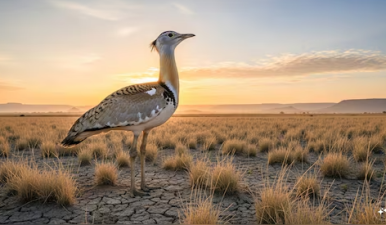
The captive breeding network for the Great Indian Bustard in Jaisalmer, Rajasthan, achieved a major milestone in May 2026. The birth of two chicks through artificial insemination pushed...
India is accelerating plans to develop the Middle East-India Deep-water Pipeline (MEIDP) to secure a direct, uninterrupted supply of natural gas from the Gulf region. The Ministry of...