
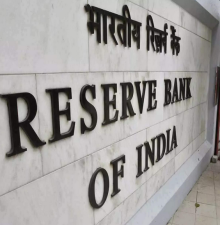
The Reserve Bank of India (RBI) has recently issued important guidelines for District Central Co-operative Banks (DCCBs) concerning the closure of un-remunerative branches and changes in their names. In this article, we’ll break down these guidelines and their implications for DCCBs.
Closing Un-Remunerative Branches
- Approval from Registrar of Cooperative Societies
- DCCBs can now close un-remunerative branches without prior permission from the RBI.
- However, approval from the Registrar of Cooperative Societies of the respective state is required.
- Decision-Making Process
- The decision to close a branch should be made by the Board of Directors of the DCCB.
- All relevant factors must be considered during the decision-making process.
- The decision should be properly recorded and minuted in the proceedings of the Board meeting.
- Notice Period
- DCCBs must provide a two-month notice in advance to all existing depositors and clients of the branch.
- This notice should be published in local leading newspapers through a press release.
- Communication regarding the branch closure should also be sent to each constituent of the branch well in advance.
- Return of Licenses
- DCCBs should return the original licenses issued for the closed branch to the Regional Office of the RBI concerned.
Restrictions on Closure DCCBs will not be allowed to close branches if the RBI has imposed any restrictions on the bank. This ensures that the closure of branches does not adversely affect the interests of depositors or disrupt essential banking services.
Name Change Procedure
The RBI has also outlined the procedure to be followed by cooperative banks when they want to change their names.
- Resolution by Board of Directors
- The Board of Directors of the cooperative bank must pass a resolution to change the bank’s name.
- Approval from RBI
- After passing the resolution, the bank should obtain prior approval from the RBI before effecting the name change.
- Submission of Proposal
- The cooperative bank is required to submit a proposal detailing the reasons for the name change and any other relevant information to the RBI.
- Issuance of Fresh License
- Upon approval, the RBI will issue a fresh license reflecting the new name, and the cooperative bank can then operate under its new name.
These guidelines ensure that the name change process is transparent and regulated, preventing any misuse or confusion in the banking sector.
Last Modified: February 22, 2024