
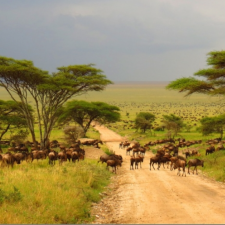
Grasslands and savannas are among the most diverse ecosystems on Earth, harboring a rich array of flora and fauna. These expansive landscapes, often overlooked in comparison to lush rainforests, play a crucial role in maintaining biodiversity.
Characteristics of Grasslands and Savannas
- Flora Diversity: Grasslands are characterized by vast stretches of grasses, with a variety of species adapted to different climatic conditions. The flora in these regions includes a mix of grass species, sedges, and forbs. Unlike dense forests, grasslands offer an open canopy that allows sunlight to reach the ground, fostering a diverse understory of plant life.
- Savannas – The Meeting Point: Savannas, often transitional zones between forests and grasslands, combine features of both ecosystems. They typically feature scattered trees or shrubs amidst a grassy landscape. This unique combination creates a mosaic of habitats, supporting a wide range of plant species that have adapted to thrive in diverse conditions.
Fauna Diversity
- Herbivores and Their Adaptations: The herbivores of grasslands and savannas are adapted to grazing on the abundance of grass. Iconic species like wildebeests, zebras, and bison roam these landscapes in search of nutritious vegetation. Their grazing patterns contribute to the dynamic nature of these ecosystems, preventing any single plant species from dominating the landscape.
- Carnivores and Apex Predators: The presence of large herbivores attracts carnivores to these ecosystems. Lions, cheetahs, and hyenas in savannas, and wolves in grasslands, form an integral part of the food web. The delicate balance between herbivores and carnivores is crucial for the overall health and sustainability of these ecosystems.
Importance of Grasslands and Savannas in Biodiversity Conservation
- Key Biodiversity Hotspots: Despite their open appearance, grasslands and savannas are home to numerous endangered and endemic species. The unique adaptations of flora and fauna in these ecosystems make them important biodiversity hotspots. For example, the African savannas house some of the most iconic and endangered species, such as the African elephant and rhinoceros.
- Critical Role in Climate Regulation: Grasslands play a vital role in carbon sequestration, helping mitigate climate change. The extensive root systems of grasses store carbon in the soil, preventing it from being released into the atmosphere. Additionally, the reflective nature of grasslands helps in maintaining regional climate patterns.
Examples of Biodiversity in Different Grassland and Savanna Regions
- North American Prairie: The North American prairie is a classic example of a grassland ecosystem. It is home to a diverse range of species, including the pronghorn, bison, and the critically endangered black-footed ferret. Birds such as the greater prairie chicken and the western meadowlark thrive in the grassy expanses.
- African Savannas: The African savannas, spanning across countries like Kenya and Tanzania, showcase an extraordinary diversity of life. Large herbivores like elephants and giraffes coexist with predators like lions and leopards. The Maasai Mara in Kenya, famous for the annual wildebeest migration, exemplifies the intricate ecological interactions in savanna ecosystems.
Key Data: Biodiversity Metrics in Grasslands and Savannas
| Ecosystem | Number of Plant Species | Number of Animal Species | Endangered Species |
| North American Prairie | 2000+ | 500+ | 20+ |
| African Savannas | 4000+ | 1000+ | 50+ |
Conservation Challenges and Strategies
- Habitat Fragmentation: Human activities, including agriculture and urbanization, pose a significant threat to grasslands and savannas. Habitat fragmentation disrupts the natural movements of wildlife and can lead to isolated populations, increasing the risk of extinction. Conservation efforts must focus on maintaining large, connected habitats to support diverse species.
- Invasive Species: Invasive plant species, introduced either intentionally or unintentionally, can outcompete native vegetation and disrupt the balance of ecosystems. Control measures and restoration projects are essential to combat the negative impacts of invasive species and protect the native biodiversity of grasslands and savannas.
Grasslands and savannas, often overshadowed by more visually striking ecosystems, are essential to the intricate tapestry of life on Earth. Their unique flora and fauna have adapted to the challenges of open landscapes, creating ecosystems that sustain a remarkable diversity of life.
Last Modified: February 23, 2024