
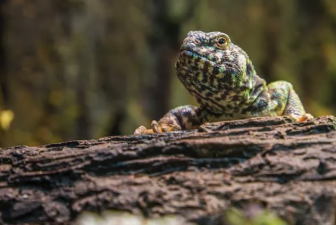
Brumation is a special kind of hibernation exhibited by reptiles during extreme weather conditions. When temperatures drop significantly or food becomes scarce, reptiles enter a dormant state to conserve energy for survival.
Brumation in Turtles
- Turtles brumate over winter in cold habitats up to 5-6 months when temperatures fall below 50°F
- Metabolic activities and heart rate drops up to 95% reducing energy requirements
- Underwater brumation allows aquatic turtles to survive in frozen lakes/ponds by entering mud
Examples
- Painted turtles start brumating in November until early March under land or water
- Gopher tortoises brumate in self-dug burrows up to 100 days in colder southern areas
Physiological Changes During Brumation
- Blood flow reduced to all organs except heart and brain
- Breathing slowed to 6-10 times per hour from hundreds of breaths
- Body temperature can drop to a few degrees above freezing point
Physiological changes in brumating reptiles
| Parameter | Normal Reptile | Brumating Reptile |
| Heart Rate | 60 to 80 bpm | 5 to 10 bpm |
| Breathing Rate | 50 to 60 breaths per min | 6 to 10 breaths per hour |
| Body Temperature | 85°F to 105°F depending on species | Can go as low as 38°F |
Brumation in Snakes
- Snakes also exhibit brumation by occupying underground dens with other snakes
- Rattlesnakes can brumate 100-150 days without eating from October to April
- Garter snakes brumate together in thousands contorting over each other
Examples
- King snakes in northern areas brumate 3-4 months communally in rock crevices
- Pythons and anacondas in captivity are allowed to brumate 2-3 months
Brumation in Crocodiles
- Crocodiles in colder habitats slow down bodily functions to survive tough winters
- Nile crocodiles may brumate for 4-5 months when significant temperature drops
- American alligators dig holes in mud underwater and lower metabolism enormously
Examples
- American crocodiles near Carolina coasts brumate in inland swamps from December
- Chinese alligators brumate almost 6 months under ice in water bodies
Brumation Variations in Reptiles
- Bearded dragons brumate for 2-3 months buried underground alone unlike social brumation
- Sea turtles swim to deep oceans zones to brumate for warmth due to their cold-bloodedness
- Baby snakes born just before winter may not have enough time to feed and directly enter brumation
- Reptiles generally emerge from brumation when temperatures range between 60°F to 65°F
Recent Research on Brumation
- Scientists study blood samples from brumating reptiles to understand mechanisms behind cancer resistance
- Space agencies fund brumation research to apply hibernation principles for long-distance space travel
- Effects of global warming on brumation patterns studied to plan wildlife conservation actions for threatened reptiles
Ensuring Safe Brumation for Captive Reptiles
- Vet examination before captive reptiles are allowed to brumate to check for illness
- Brumation enclosure should be humidity and temperature controlled with adequate bedding
- Hydration levels, weight loss monitored; bathing done intermittently during brumation
- Supplemental heat provided if ambient temperature deviates too low from species requirement
Effects of Warming Winters on Brumation
- Declining periods of cold weather affects brumation cycles of reptiles
- Disruption of brumation puts survival pressure and affects population
Examples
- Early spring thaws force Prairie rattlesnakes out of brumation before finding food
- Shorter winter in Florida region lowered brumation of Crocodiles impacting health
Advantages of Brumation as Survival Strategy
- Helps reptiles maximize chances of survival in extreme cold or drought
- Preserves energy during scarcity. 70-80% of annual energy saved during brumation
- Replenishes health by slowing down cell damage accumulation
The ability of reptiles to enter dormancy through brumation confers significant evolutionary advantages to endure hostile habitats and climate variation.
Last Modified: February 14, 2024