
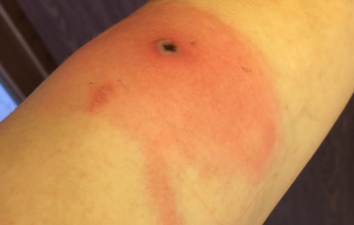
Alaskapox is an orthopox virus that was first discovered in Alaska, USA, in 2015. It belongs to the same genus (Orthopoxvirus) as smallpox, monkeypox, and cowpox. Recently, an elderly man from Alaska became the first person to die after contracting Alaskapox, bringing this relatively unknown disease into the spotlight.
Discovery of the Virus
- Alaskapox was first detected in Alaska in 2015 when a female resident presented with a pustular rash illness. Additional cases were identified over the next few years.
- By 2018, testing at the Centers for Disease Control and Prevention (CDC) confirmed that the cases were caused by a new orthopox virus, which was named Alaskapox virus (KFDV).
- The virus is believed to have emerged in small mammals in Alaska sometime prior to 2015 before jumping to humans.
Virology of Alaskapox
- Alaskapox is caused by the Alaskapox virus (KFDV), a double-stranded DNA virus.
- It belongs to the genus Orthopoxvirus, making it closely related to other viruses like:
- Smallpox (Variola virus)
- Monkeypox (Monkeypox virus)
- Cowpox (Cowpox virus)
- Key features of orthopoxviruses:
- Zoonotic viruses that can infect various mammals, including humans
- Have cross-immunity, meaning infection from one virus provides some immunity against others in the genus
Animal Reservoirs
- In nature, Alaskapox virus circulates mainly in small mammals like:
- Red-backed voles
- Shrews
- Occasional infection has been detected in other animals like:
- Squirrels
- Lemmings
- Caribou
- The virus likely originated in these small mammals before spreading to humans.
Transmission
- Human transmission pathways remain unknown but may occur through:
- Bites from infected mammals
- Exposure to bodily fluids or lesion material
- Inhalation of virus particles
- Human-to-human transmission has not been reported so far.
- Limited instances of healthcare-associated transmission to caregivers have occurred.
Signs and Symptoms
- Typically characterized by:
- One or more skin lesions (bumps/pustules)
- Swollen lymph nodes
- Joint and/or muscle pain
- Other symptoms may include:
- Chills
- Headache
- Fatigue
- Illness usually mild and self-resolving over 2-4 weeks.
- Immunocompromised individuals may suffer from more severe disease.
Diagnosis
- PCR testing of lesion samples to detect Alaskapox virus DNA
- Virus isolation from blood or tissues
- Serologic testing for antibodies
- Consider testing for other pathogens with similar presentations like monkeypox
Treatment
- No specific treatments available
- Supportive care to manage symptoms
- Monitoring of respiratory status, hydration, secondary infections
- Experimental antiviral tecovirimat may be beneficial but data lacking
Prevention
- Avoid contact with potentially infected animals
- Use insect repellants/protective clothing if exposure likely
- Isolate suspected human cases to prevent transmission
- Vaccination not currently available but research ongoing
Examples of Animals Infected by Alaskapox
| Animal | Examples |
| Small Mammals | Red-backed voles, shrews |
| Other Wildlife | Squirrels, lemmings, caribou |
The recent death from Alaskapox serves as an important reminder that new pathogens can emerge at any time.
- The case fatality rate of Alaskapox is estimated to be 3-5%, but data remains limited given the small number of cases thus far
- In lab testing, Alaskapox virus was shown to be susceptible to commonly available antiviral drugs like cidofovir and tecovirimat
- CDC is currently evaluating the efficacy of smallpox vaccine against Alaskapox, since they are from the same viral genus
- Environmental sampling has detected Alaskapox virus DNA in burrows of red-backed voles, suggesting their importance as a reservoir host
- Alaska state health authorities continue surveillance efforts to monitor for human and animal Alaskapox infections
- While much remains unknown about the virus, health authorities continue working to understand transmission patterns, at-risk populations, and optimal prevention strategies.
- Staying informed and taking reasonable precautions can help reduce the likelihood of human outbreaks.
- Rapid identification and isolation of cases is key to containing the spread of any novel infectious disease threat.