
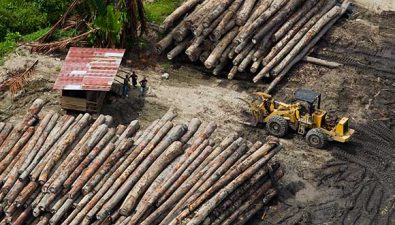
Papua New Guinea’s rainforests are facing an unprecedented crisis due to illegal logging, which has become an important concern for environmentalists and indigenous communities. Recently, local groups presented alarming evidence at the 16th Conference of Parties (COP16) to the Convention on Biological Diversity, denoting the detrimental impact of illegal logging on biodiversity and human rights. This crisis not only threatens the ecosystem but also exacerbates corruption and exploitation within the region.
About Illegal Logging
Illegal logging refers to the harvesting of timber in violation of laws governing forest management and timber trade. Globally, this industry is valued at approximately $155 billion annually, making it the third-largest organised crime. The drivers of illegal logging include high market demand, particularly from countries such as China and Malaysia, coupled with weak regulatory frameworks and low enforcement of existing laws.
Impact on Biodiversity
Papua New Guinea’s rainforests, which comprise just 1% of the Earth’s land area, are a biodiversity hotspot, hosting around 7% of the world’s species. Unique wildlife, such as birds of paradise and tree kangaroos, depend on these ecosystems for survival. The ongoing illegal logging threatens these species and disrupts the delicate ecological balance, leading to habitat loss and increased carbon emissions.
Socio-Economic Ramifications
The illegal logging crisis has dire consequences for local communities, particularly indigenous peoples. Logging companies often operate without consent, disregarding the rights of these communities. This violation leads to displacement, loss of livelihoods, and cultural erosion. Reports of police violence and intimidation against those opposing illegal logging activities further exacerbate the situation, undermining community rights and safety.
The Role of Governance and Corruption
Corruption is deeply embedded in the logging industry in Papua New Guinea. The Papua New Guinea Forest Authority has been accused of issuing timber permits without proper scrutiny, facilitating illegal operations. The logging sector is also identified as high-risk for money laundering, with companies often evading taxes and engaging in corrupt practices. This lack of accountability undermines the rule of law and perpetuates environmental degradation.
Calls for International Action
Local environmental groups are advocating for immediate action from both the Papua New Guinea government and the international community. They demand a halt to all timber exports from the country until a thorough investigation of logging permits is conducted. Furthermore, there is a strong push for better tracking of timber products and stricter regulations for international banks financing logging operations to curb illegal activities.
Collaborative Solutions
Experts suggest that a united approach involving government, businesses, and civil society is crucial in addressing the illegal logging crisis. Establishing a comprehensive system to trace timber sources can aid in combating illegal logging and ensuring sustainable forest management. This collaborative effort is essential for protecting biodiversity and the rights of indigenous peoples in Papua New Guinea.
Last Modified: November 4, 2024Questions for UPSC:
- Discuss the socio-economic impacts of illegal logging on indigenous communities in Papua New Guinea.
- Evaluate the role of international demand in exacerbating illegal logging activities.
- What measures can be implemented to combat corruption within the logging industry?
- Analyse the importance of biodiversity in Papua New Guinea’s rainforests.
- How can international cooperation be enhanced to address environmental crimes like illegal logging?