
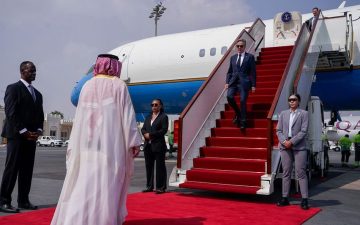
Recent developments have impacted the ongoing conflict between Israel and Hamas. Qatar, a key mediator, has suspended its role in negotiations aimed at establishing a truce and facilitating the release of hostages. This decision follows escalating tensions and a lack of progress in talks since the outbreak of war on October 7. The conflict has resulted in a devastating toll, with over 43,000 fatalities reported in Gaza.
Current State of Negotiations
Negotiations had previously shown promise during a temporary pause in fighting last year. This led to the release of hostages in exchange for Palestinian prisoners. However, recent attempts to broker a short-term truce have faltered. Hamas rejected proposals from Egypt and Qatar, citing insufficient terms for a lasting ceasefire. Israel remains firm in its military objectives, insisting that hostilities will continue until Hamas is neutralised.
Qatar’s Unique Role
Qatar’s mediation has been crucial due to its neutral stance. It has successfully facilitated dialogue in various international conflicts. Analysts highlight that without Qatar’s involvement, the chances of productive negotiations diminish . The current impasse leaves the dialogue process effectively stalled.
Impact of Leadership Changes in Hamas
The recent deaths of key Hamas leaders have further complicated the situation. With the leadership structure weakened, the ability to maintain cohesive negotiations is uncertain. This shift raises questions about the future of Hamas’s strategic direction and its capacity to engage in meaningful talks.
Potential Changes in Hamas’s Location
Speculation surrounds the future of Hamas’s political office in Qatar. Despite reports suggesting a potential expulsion, both Qatari officials and Hamas representatives have denied any imminent changes. The group’s leadership may face pressure to relocate, with Iran and Turkey being potential new hosts. However, geopolitical considerations complicate these possibilities.
Qatar’s Future Mediation Intentions
Despite its current withdrawal, Qatar has indicated a willingness to resume mediation when conditions improve. The Gulf nation aims to balance its diplomatic role while addressing concerns from international stakeholders, particularly the United States. Qatar’s relationship with Hamas is under scrutiny, especially amid shifting political dynamics in the U.S.
Regional and Global Implications
The suspension of negotiations not only affects Israel and Hamas but has broader implications for regional stability. The power dynamics in the Middle East are evolving, and the roles of external actors like the U.S. and Gulf states are becoming increasingly important. Qatar’s actions may influence future diplomatic efforts in the region.
Questions for UPSC:
- Critically analyse the role of Qatar in mediating conflicts in the Middle East.
- What are the implications of Hamas’s leadership changes on the peace process in Gaza? Discuss.
- Estimate the potential outcomes if Qatar permanently withdraws from its mediation role in the Gaza conflict.
- Point out the factors that influence the dynamics of international mediation in conflict resolution.
Answer Hints:
1. Critically analyse the role of Qatar in mediating conflicts in the Middle East.
Qatar’s role as a mediator in the Middle East is very important due to its unique position as a neutral party. It has successfully facilitated negotiations in various conflicts, including those in Syria and Ukraine. By hosting both Hamas and U.S. interests, Qatar acts as important communication channel. However, its mediation efforts are often scrutinized by international stakeholders, particularly the U.S., which influences its diplomatic strategies. Qatar’s ability to leverage its relationships while navigating regional complexities puts stress on its importance, though its recent withdrawal from Gaza talks raises questions about the future of such mediation.
2. What are the implications of Hamas’s leadership changes on the peace process in Gaza? Discuss.
The recent deaths of key Hamas leaders have destabilized the organization’s leadership structure, complicating negotiations for peace. With weakened command, Hamas struggles to present a unified front, diminishing its negotiating power. This fragmentation can lead to internal disputes over strategy, making it challenging to engage with Israel or other mediators effectively. Additionally, as Hamas grapples with leadership transitions, its capacity to commit to long-term peace agreements is uncertain, potentially prolonging the conflict and hindering any progress toward a resolution in Gaza.
3. Estimate the potential outcomes if Qatar permanently withdraws from its mediation role in the Gaza conflict.
If Qatar permanently withdraws from mediating the Gaza conflict, the likelihood of achieving a ceasefire diminishes sharply. Qatar’s unique neutral position has been crucial for facilitating dialogue between Hamas and Israel. Without its involvement, other regional players may lack the credibility to mediate effectively, leading to increased tensions and prolonged violence. Additionally, the absence of Qatari mediation could push Hamas toward more radical responses and limit avenues for humanitarian assistance, exacerbating the humanitarian crisis in Gaza and destabilizing the broader Middle East region.
4. Point out the factors that influence the dynamics of international mediation in conflict resolution.
Several factors influence international mediation dynamics, including the mediator’s neutrality, credibility, and relationships with conflicting parties. The geopolitical context, such as regional power balances and external influences (e.g., U.S. interests), also plays a critical role. Additionally, the internal cohesion of the conflicting parties, public opinion, and the humanitarian situation can affect mediation efforts. The capacity of mediators to leverage incentives or impose consequences on parties can further shape negotiation outcomes. Ultimately, successful mediation requires a delicate balance of these factors to encourage trust and facilitate dialogue.
Last Modified: November 12, 2024