
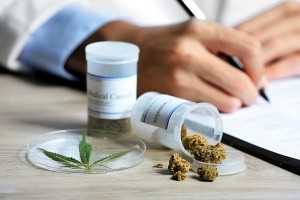
Recent advancements in the medical use of cannabis have emerged from India, where researchers at Amrita School of Ayurveda have completed two-year trial. This study focused on the potential of cannabis to treat dysmenorrhea.
About Dysmenorrhea
Dysmenorrhea refers to severe menstrual pain that can disrupt daily activities. It affects many women and often leads to the use of analgesics from a young age. The condition not only causes physical discomfort but also impacts emotional and social well-being.
Formulation Femme Overview
Formulation Femme is a polyherbal product developed by HempStreet, with cannabis as its primary ingredient. The formulation has been designed to provide relief without the psychoactive effects associated with THC. Each dose contains only trace amounts of THC, ensuring that patients do not experience any mind-altering effects.
Study Design and Methodology
The trial involved screening 300 volunteers, from which 26 were selected to participate. The study aimed to assess the effectiveness of Formulation Femme in reducing pain associated with dysmenorrhea. Participants reported reduction in pain severity during the trial without the use of additional analgesics.
Results and Observations
Initial results have been promising. Many participants experienced sustained relief even after discontinuing the medication. The study brought into light the need for dosage adjustments based on individual patient conditions, as responses to the formulation varied among participants.
Future Research Directions
Following the pilot study, researchers plan to conduct larger controlled trials. The next phase will involve a comparative analysis between Formulation Femme and commonly used painkillers. This is aimed at gathering conclusive evidence regarding the efficacy of cannabis in managing dysmenorrhea.
Safety and Preliminary Testing
Before the exploratory study, Formulation Femme underwent safety testing in animal studies. Not all cannabis plants produce sufficient THC to induce psychoactive effects, making it crucial to select appropriate strains for medical use.
Impact on Women’s Health
Dysmenorrhea can affect women’s quality of life. Many women rely on painkillers, which may lead to dependency and adverse effects. The potential of medical cannabis to provide an effective alternative is promising, as it may reduce reliance on traditional analgesics.
Industry-Academic Collaboration
The collaboration between the Amrita School of Ayurveda and HempStreet exemplifies the growing trend of partnerships aimed at advancing medical research. Such collaborations can accelerate the development of innovative treatments and enhance the understanding of herbal medicine.
Regulatory Considerations
The use of cannabis in medicine remains a contentious issue in many countries, including India. Regulatory frameworks will need to adapt to accommodate emerging research and the potential medical benefits of cannabis-based products.
Questions for UPSC:
- Examine the role of collaborative research in advancing medical treatments, using the case of cannabis research as an example.
- Discuss the implications of using cannabis for medical purposes in India, considering both societal and regulatory aspects.
- Critically discuss the challenges faced by women suffering from dysmenorrhea and the impact of pain management strategies.
- With suitable examples, discuss the significance of herbal medicine in modern healthcare and its integration into conventional practices.
Answer Hints:
1. Examine the role of collaborative research in advancing medical treatments, using the case of cannabis research as an example.
- Collaboration between academia and industry encourages innovation and accelerates research processes.
- The partnership between Amrita School of Ayurveda and HempStreet exemplifies successful interdisciplinary research.
- Combining resources and expertise leads to the development of novel treatments, as seen with Formulation Femme.
- Collaborative research can attract funding and support from various stakeholders, enhancing study scope.
- Such collaborations can also help in navigating regulatory challenges and ensuring compliance.
2. Discuss the implications of using cannabis for medical purposes in India, considering both societal and regulatory aspects.
- The use of cannabis in medicine could provide alternative treatments for chronic conditions like dysmenorrhea.
- Societal perceptions of cannabis remain mixed, with stigma affecting acceptance and usage.
- Regulatory frameworks in India are evolving but need to adapt to accommodate medical cannabis research and applications.
- Successful trials may lead to policy changes and improved access to cannabis-based treatments.
- Public education is essential to address misconceptions and promote informed discussions on cannabis use.
3. Critically discuss the challenges faced by women suffering from dysmenorrhea and the impact of pain management strategies.
- Dysmenorrhea can severely disrupt daily activities and affect emotional well-being.
- Many women resort to analgesics from a young age, leading to potential dependency and side effects.
- Current pain management strategies may not provide sufficient relief for all patients, denoting the need for alternatives.
- There is a lack of awareness about non-pharmacological options and the potential of medical cannabis.
- Individualized treatment approaches are necessary, as responses to pain management vary among women.
4. With suitable examples, discuss the significance of herbal medicine in modern healthcare and its integration into conventional practices.
- Herbal medicine has a long history of use and offers a range of therapeutic benefits, as seen with cannabis in dysmenorrhea treatment.
- Integrating herbal remedies with conventional treatments can enhance patient outcomes and provide holistic care.
- Formulation Femme represents a successful example of combining traditional herbal knowledge with modern research methodologies.
- Herbal medicine can reduce reliance on synthetic drugs, minimizing side effects and improving patient quality of life.
- Global trends show increasing acceptance of herbal medicine, necessitating evidence-based research to validate efficacy.