
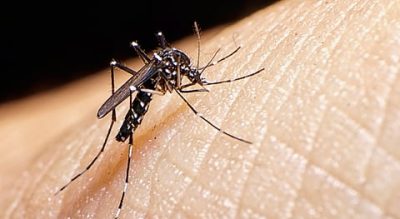
Pune district in Maharashtra has become the epicentre of Zika virus infections in India. In 2024, it accounted for 125 out of 151 confirmed cases nationwide. The World Health Organization (WHO) reported that Maharashtra led with 140 cases, followed by Karnataka with 10 and Gujarat with one. No severe complications linked to Zika, such as microcephaly or Guillain-Barré syndrome, have been reported in India as of the end of 2024.
Transmission and Symptoms
Zika virus primarily spreads through bites from infected Aedes mosquitoes. It can also be transmitted from mother to child during pregnancy, through sexual contact, blood transfusions, and organ transplants. Symptoms of Zika are often mild and include fever, rash, joint pain, and conjunctivitis. Many infections remain asymptomatic, complicating detection efforts.
Current Situation in Maharashtra
Maharashtra has seen rise in Zika cases, with 140 reported in 2024 compared to just one in 2021. Pune alone has reported 125 cases. Other affected districts include Ahmednagar, Kolhapur, Sangli, Solapur, and parts of Mumbai. This surge has prompted heightened health surveillance and monitoring across the state.
Government Response
In response to the outbreak, the Government of India issued an advisory on 3 July 2024. This urged states to enhance monitoring and response strategies. The Integrated Disease Surveillance Programme (IDSP) is overseeing the surveillance of Zika along with other communicable diseases. Screening efforts are particularly focused on pregnant women due to the risks of transmission to unborn children.
Historical Context
Zika virus was first identified in rhesus macaque monkeys in Uganda in 1947. It later infected humans in Africa during the 1950s. India’s first case of Zika was reported in Gujarat in 2016, with subsequent outbreaks in several states. However, these outbreaks have not been linked to microcephaly, unlike in other regions globally.
Public Health Implications
The WHO has acknowledged the unusual rise in Zika cases in Maharashtra. The widespread presence of Aedes mosquitoes in India raises concerns about potential future outbreaks. Awareness levels among healthcare providers vary, leading to possible underreporting of cases. The actual number of infections might be higher, as many cases are mild or asymptomatic.
Research and Surveillance
Continued research and surveillance are essential for understanding Zika’s spread and impact. The IDSP and state-designated laboratories are conducting regular screenings. Public health campaigns aim to raise awareness about Zika transmission and prevention methods, especially among vulnerable populations.
Questions for UPSC:
- Discuss in the light of the transmission methods of the Zika virus and its implications for public health policy.
- Critically examine the role of Integrated Disease Surveillance Programme in managing communicable diseases in India.
- Explain the historical emergence of Zika virus and its impact on global health.
- Comment on the challenges of underreporting in infectious disease surveillance, with suitable examples from recent outbreaks.
Answer Hints:
1. Discuss in the light of the transmission methods of the Zika virus and its implications for public health policy.
- Zika virus primarily spreads through Aedes mosquito bites, which are prevalent in urban areas.
- Other transmission methods include mother-to-child during pregnancy, sexual contact, blood transfusions, and organ transplants.
- The asymptomatic nature of many infections complicates detection and control efforts.
- Public health policies must focus on vector control, community awareness, and monitoring pregnant women.
- Strengthened surveillance systems are crucial to identify and respond to outbreaks promptly.
2. Critically examine the role of Integrated Disease Surveillance Programme in managing communicable diseases in India.
- The IDSP monitors over 40 communicable diseases, including Zika, enhancing early detection and response.
- It facilitates data collection and analysis from various states, improving resource allocation and intervention strategies.
- IDSP emphasizes regular screenings and monitoring, particularly for high-risk groups like pregnant women.
- Challenges include variable awareness levels among healthcare providers leading to underreporting.
- Strengthening IDSP can lead to better preparedness for future outbreaks and improved public health outcomes.
3. Explain the historical emergence of Zika virus and its impact on global health.
- Zika virus was first identified in monkeys in Uganda in 1947 and later in humans in the 1950s.
- India reported its first case in Gujarat in 2016, with subsequent outbreaks in various states.
- Global health concerns arose due to links with microcephaly and Guillain-Barré syndrome in other regions.
- Despite outbreaks, India has not seen these severe complications associated with Zika.
- Increased global travel and urbanization have heightened the risk of Zika transmission and outbreaks.
4. Comment on the challenges of underreporting in infectious disease surveillance, with suitable examples from recent outbreaks.
- Underreporting occurs due to asymptomatic infections and lack of awareness among healthcare providers.
- The Zika outbreak in Maharashtra illustrates potential underreporting due to mild cases going unnoticed.
- Inconsistent testing and reporting practices across states can lead to skewed data.
- Public health campaigns are essential to educate communities and encourage reporting of symptoms.
- Robust surveillance systems and community engagement are needed to address underreporting effectively.