
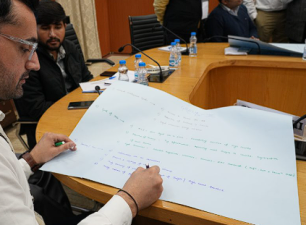
The Ministry of Coal has initiated a transformative training programme under the Rashtriya Karmayogi Program. This programme aims to instil a spirit of service, known as Seva Bhav, among officials. Phase 1 has successfully concluded with over 120 officials participating in interactive sessions. These sessions were designed to enhance their commitment to public service and contribute to nation building.
Overview of the Rashtriya Karmayogi Program
The Rashtriya Karmayogi Program focuses on developing a skilled and efficient workforce in the public sector. It aims to create a culture of continuous learning and improvement. The programme seeks to align public servants’ roles with national priorities.
Training Sessions Details
The training sessions took place on February 27-28 and March 11-12 at the Civil Services Officers Institute in New Delhi. They were led by experienced trainers, including Shri Sudheer Babu Motana and Shri Ram Kumar. The sessions featured interactive formats that encouraged participation and engagement among officials.
Objectives of the Training
The primary objective was to enhance the understanding of policy formulation and citizen-centric governance. Participants were encouraged to reflect on their roles in public service. The training aimed to encourage a sense of accountability and responsibility towards the citizens.
Impact on Participants
Officials reported a deeper sense of responsibility towards their roles. The sessions provided valuable vital information about effective service delivery. Participants expressed enthusiasm for applying their new knowledge in their daily work.
Future Plans for the Programme
Following the successful completion of Phase 1, the Ministry of Coal plans to continue advancing this initiative. Future phases will focus on further skill enhancement and integrity in public service. The goal is to ensure officials are well-equipped to serve the nation effectively.
Recognition and Commendation
During the valedictory session, Shri Bijoy Samanta commended the participants for their active engagement. He brought into light their dedication to professional growth and good governance. The programme has been seen as a step towards creating meaningful change in the public sector.
Questions for UPSC:
- Examine the role of public service in nation building and its impact on governance.
- Discuss the significance of capacity building in enhancing the efficiency of public officials.
- Critically discuss the challenges faced in implementing large-scale training programmes in the public sector.
- With suitable examples, analyse the relationship between citizen-centric governance and public service delivery.
Answer Hints:
1. Examine the role of public service in nation building and its impact on governance.
- Public service is essential for implementing policies that encourage national development.
- It ensures accountability and transparency in governance, which builds public trust.
- Officials in public service are key to delivering services that meet citizens’ needs.
- A strong public service contributes to social cohesion and stability in society.
- Public service roles are critical in responding to crises and managing resources effectively.
2. Discuss the significance of capacity building in enhancing the efficiency of public officials.
- Capacity building equips officials with necessary skills and knowledge for better performance.
- It encourages a culture of continuous learning and adaptation to changing environments.
- Enhanced skills lead to improved service delivery and citizen satisfaction.
- Training programs encourage accountability and ethical governance among officials.
- Investing in capacity building promotes long-term sustainability in public administration.
3. Critically discuss the challenges faced in implementing large-scale training programmes in the public sector.
- Resistance to change among officials can hinder participation and engagement.
- Limited resources and funding can restrict the scope and reach of training initiatives.
- Inadequate infrastructure and facilities may affect the quality of training sessions.
- Measuring the impact and effectiveness of training programs can be challenging.
- Balancing training with officials’ regular duties can lead to scheduling conflicts.
4. With suitable examples, analyse the relationship between citizen-centric governance and public service delivery.
- Citizen-centric governance prioritizes the needs and preferences of the public in policy-making.
- Examples include responsive public health services that adapt to community health needs.
- Effective public service delivery enhances citizen trust and engagement in governance.
- Feedback mechanisms in service delivery improve accountability and responsiveness.
- Successful initiatives, such as e-governance, demonstrate how technology can enhance service delivery.