
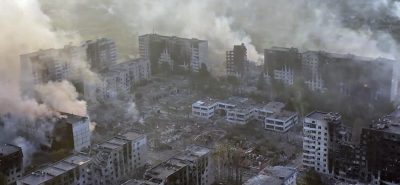
Recent diplomatic efforts have aimed to de-escalate the ongoing conflict in Ukraine. On March 15, 2025, US Secretary of State Marco Rubio and Russian Foreign Minister Sergei Lavrov engaged in talks. This coincided with Ukrainian President Volodymyr Zelensky announcing a 30-day ceasefire. These events paved the way for phone conversation between US President Donald Trump and Russian President Vladimir Putin on March 18.
Ceasefire Agreements
The ceasefire discussions focus on reducing hostilities in Ukraine. The US aims for an energy and infrastructure ceasefire. This would include technical negotiations on maritime ceasefire in the Black Sea. The Russian side seeks a halt on attacks against Ukrainian energy facilities. It also proposes the treatment of captured Ukrainian soldiers according to military conventions.
Key Conditions and Strategic Objectives
Russia’s condition for a broader ceasefire includes the complete termination of foreign military assistance to Ukraine. Moscow desires control over several Ukrainian provinces and a neutral Ukraine. Conversely, Ukraine demands the return of its territory, security guarantees from NATO, and compensation for war damages. These conflicting objectives complicate the path to peace.
Military Operations and Ongoing Conflict
Despite the ceasefire talks, military operations continue. Ukraine targets Russian fuel depots and military infrastructure. Russia retaliates by attacking Ukraine’s energy production and urban areas. The conflict has already devastated much of Ukraine’s power grid. The naval war in the Black Sea may see a reduction in hostilities, but land and air battles are expected to persist.
Historical Context of Ceasefires
Historically, intense fighting often occurs towards the end of wars. Opposing sides typically seek to maximize territorial gains during negotiations. The current ceasefire discussions echo previous attempts made in August 2024, which failed to materialize. Zelensky expressed scepticism about the ceasefire’s efficacy but acknowledged any partial truce as a positive step.
International Implications
The ongoing negotiations have broader implications for international relations. If the US reduces military support to Ukraine, it may embolden Russia to expand its territorial claims. The Trump administration’s focus on improving US-Russia relations raises concerns about the future of US commitments to Europe and Ukraine.
Future Prospects
The prospect of achieving lasting peace remains uncertain. The Trump administration aims for a resolution within 100 days, but historical precedents suggest that negotiations can be prolonged. The complexity of interests involved makes a swift resolution challenging. The interplay between military actions and diplomatic efforts will shape the outcome of the conflict.
Questions for UPSC:
- Critically discuss the implications of foreign military assistance on the Ukraine conflict.
- Examine the historical context of ceasefires in major conflicts and their outcomes.
- Analyse the strategic objectives of Russia and Ukraine in the ongoing war.
- Estimate the potential impact of US-Russia relations on European security dynamics.
Answer Hints:
1. Critically discuss the implications of foreign military assistance on the Ukraine conflict.
- Foreign military assistance has boosted Ukraine’s defense capabilities, enabling it to resist Russian advances.
- Conversely, Russia perceives this aid as a direct threat, justifying its military operations and escalating tensions.
- Such assistance prolongs the conflict, as it encourages Ukraine to continue fighting rather than seeking a negotiated settlement.
- It creates a dependency on external support, complicating Ukraine’s long-term security and sovereignty.
- The demand for cessation of foreign aid from Russia marks its strategy to weaken Ukraine’s military resolve and gain leverage in negotiations.
2. Examine the historical context of ceasefires in major conflicts and their outcomes.
- Ceasefires often occur when both parties seek to regroup, reassess strategies, or negotiate terms for peace.
- Historical examples, like the Korean War, show that ceasefires can lead to prolonged stalemates without a formal peace treaty.
- Intense fighting frequently resumes towards the end of conflicts as parties aim to maximize territorial gains before negotiations.
- Failed ceasefires, such as those attempted in August 2024, illustrate the challenges in achieving lasting peace in protracted wars.
- Successful ceasefires often require mutual concessions and a clear framework for future negotiations, which are currently lacking in Ukraine.
3. Analyse the strategic objectives of Russia and Ukraine in the ongoing war.
- Russia aims for territorial control over Donetsk, Luhansk, Kherson, and Zaporizhia, seeking to establish a buffer against NATO.
- It desires a neutral Ukraine that refrains from aligning with Western military alliances, particularly NATO.
- Ukraine’s primary objective is to reclaim all occupied territories and secure NATO membership for enhanced security guarantees.
- Ukraine also seeks compensation for war damages, emphasizing the need for accountability and reparations from Russia.
- The conflicting objectives complicate peace efforts, as both sides remain entrenched in their positions and demands.
4. Estimate the potential impact of US-Russia relations on European security dynamics.
- Improved US-Russia relations could lead to a reduction in military support for Ukraine, emboldening Russian aggression.
- Such a shift might undermine NATO’s credibility and security assurances to Eastern European nations, causing regional instability.
- A perceived abandonment of Ukraine could encourage other nations to reassess their alliances and security strategies.
- Historical precedents indicate that US-Russia negotiations can influence the balance of power in Europe, affecting collective defense agreements.
- Ultimately, the outcome of these relations will shape future security architectures and geopolitical alignments in Europe.