
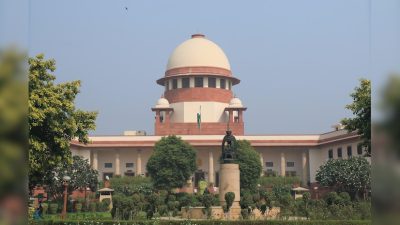
The Supreme Court of India is deliberating on the contentious Waqf Act of 2025. This law introduces several changes that have raised concerns among various stakeholders. Key issues include the removal of the ‘waqf-by-user’ concept and the representation of non-Muslims on waqf boards. The Chief Justice has indicated that the court may stay certain provisions due to their potential impact on existing waqf properties.
About Waqf and Waqf-by-User
Waqf is a religious endowment in Islam. It involves donating property for charitable or religious purposes. The concept of ‘waqf-by-user’ allows properties used for Muslim religious activities over time to be classified as waqf, even if not formally registered. This provision has been vital for many historical sites and community resources.
Key Changes in the Waqf Act 2025
The 2025 Act eliminates the ‘waqf-by-user’ provision. This change raises concerns about the status of numerous properties. Legal ambiguity arises as many sites may not have formal registrations. The Act also allows district collectors to designate properties as government land, impacting their waqf status until resolved in court.
Legal Implications and Concerns
The Supreme Court has expressed apprehension regarding the Act’s provisions. Chief Justice Sanjiv Khanna brought into light the risks of de-notifying waqf-by-user properties. This could lead to consequences for communities relying on these waqf lands for religious and charitable purposes. The court aims to ensure that genuine waqf properties are not unjustly affected.
Arguments Presented in Court
Solicitor General Tushar Mehta defended the government’s stance, asserting that registration of waqf properties has been mandatory since the first Waqf Act in 1923. He argued that unregistered waqf properties, including waqf-by-user, cannot exist legally. In contrast, petitioners argue that the new provisions threaten the existence of approximately 4 lakh waqf properties classified as waqf-by-user.
Future Proceedings
The Supreme Court has scheduled further hearings on the matter. The court may decide whether to continue hearing these cases or refer them to a High Court. The implications of the Waqf Act 2025 will be closely monitored, given its potential impact on religious and community assets.
Questions for UPSC:
- Examine the implications of the Waqf Act 2025 on religious properties in India.
- Critically discuss the historical significance of the concept of waqf in Islamic tradition.
- Analyse the role of district collectors in the management of land classified as waqf.
- Estimate the impact of legal ambiguities on community trust in property ownership and religious endowments.
Answer Hints:
1. Examine the implications of the Waqf Act 2025 on religious properties in India.
- The Act removes the ‘waqf-by-user’ concept, affecting properties used for religious purposes without formal registration.
- Potential legal disputes may arise regarding the status of numerous waqf properties, leading to uncertainty for communities.
- District collectors can designate properties as government land, impacting their waqf status until resolved in court.
- Concerns about the loss of community resources and historical sites, as many properties may not have formal documentation.
- The Supreme Court’s consideration to stay certain provisions indicates recognition of the Act’s potential negative consequences.
2. Critically discuss the historical significance of the concept of waqf in Islamic tradition.
- Waqf has roots in Islamic teachings, emphasizing charitable giving and community welfare through property endowment.
- Historically, waqf properties have supported mosques, schools, and hospitals, playing important role in Muslim community development.
- The concept allows for the preservation of cultural heritage and religious sites, many of which are centuries old.
- Waqf properties often serve as a means of social support, providing resources for the needy and promoting social justice.
- The recognition of waqf-by-user marks the importance of long-standing community practices in maintaining religious and charitable functions.
3. Analyse the role of district collectors in the management of land classified as waqf.
- District collectors are empowered to assess and classify land, determining its status as waqf or government property.
- Their decisions can lead to shifts in property rights, impacting community access to religious and charitable resources.
- Collectors’ inquiries can create legal ambiguities, especially regarding properties with historical usage without formal registration.
- Collectors must balance legal mandates with community interests, ensuring fair treatment of waqf properties.
- Their role is crucial in resolving disputes, but it can also lead to conflicts between government interests and community rights.
4. Estimate the impact of legal ambiguities on community trust in property ownership and religious endowments.
- Legal ambiguities create uncertainty regarding property rights, leading to mistrust among community members about ownership security.
- Communities may feel vulnerable to government actions that could threaten their long-held religious and charitable assets.
- Ambiguities can lead to disputes and litigation, straining community relations and diminishing faith in legal systems.
- Trust in religious endowments may erode as people question the legitimacy of their claims to waqf properties.
- Clear legal frameworks are essential for maintaining community confidence in property ownership and the continuity of religious practices.