
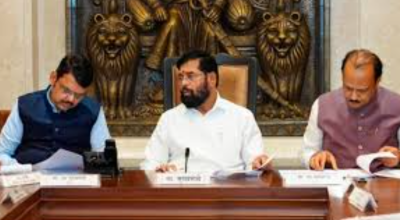
The Maharashtra Legislative Assembly recently passed the Special Public Security Bill, 2024. This law aims to address unlawful activities linked to left-wing extremist groups, notably Naxal organisations. It introduces stringent measures with broad definitions of unlawful acts and enhanced police powers. The Bill now awaits approval from the Legislative Council and the Governor’s assent to become law.
Context and Legislative Journey
The Bill was first introduced in July 2024 but lapsed due to state elections in November. After clearance by a joint committee, it was reintroduced in December 2024. The government’s stated objective is to combat the spread of Naxalism in Maharashtra. The Bill targets not only armed cadres but also their urban support networks. It allows the state to declare organisations unlawful and penalise associated individuals.
Definition of Unlawful Activities
The Bill defines unlawful activities broadly. These include interference with public order, overawing public servants by force, acts causing fear or violence, encouraging use of weapons, and promoting disobedience to law. The wide scope covers both physical violence and acts of dissent or disruption. This expansive definition has raised concerns about potential misuse.
Penalties and Enforcement Powers
Punishments range from two to seven years in prison and include fines. Offences are cognizable and non-bailable, allowing arrests without warrants. The Bill penalises membership, fundraising, management, or involvement in unlawful organisations. It also empowers authorities to seize property used for unlawful activities even before trial, with a 15-day notice to occupants.
Property Forfeiture and Pre-Trial Measures
District Magistrates or Police Commissioners can take possession of properties linked to unlawful organisations. Evictions may include residences, with provisions to protect women and children during withdrawal. Affected parties may approach the High Court within 30 days to challenge forfeiture. This pre-trial forfeiture is departure from ordinary criminal law safeguards.
Comparisons and Concerns
The Bill shares features with the Unlawful Activities Prevention Act (UAPA) and the Prevention of Money Laundering Act (PMLA). However, Maharashtra’s law has looser definitions, such as practising disobedience, which may criminalise legitimate protest. Supreme Court rulings, like the Kedar Nath Singh case, require incitement to violence for sedition charges. Critics fear the Bill’s vague terms could suppress dissent and erode constitutional protections.
Judicial Oversight and Safeguards
The government’s declaration of an organisation as unlawful must be confirmed by an Advisory Board of retired or sitting High Court judges. This quasi-judicial review adds a layer of scrutiny. Yet, the Bill’s broad scope and stringent penalties raise questions about balancing security with civil liberties. The Bill’s passage will test the limits of state power in combating extremism.
Questions for UPSC:
- Critically discuss the impact of stringent laws like the Unlawful Activities Prevention Act, 1967, on civil liberties in India with suitable examples.
- Examine the role of state legislatures in framing security laws and analyse their implications for federalism in India.
- Discuss in the light of recent legislation how property forfeiture laws affect the rights of accused persons and the principles of natural justice.
- With examples from India and abroad, analyse the challenges of balancing national security and democratic freedoms in counter-terrorism laws.