
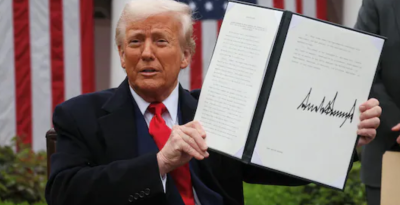
The United States introduced fresh tariffs on imports from 14 countries. This move aims to address trade imbalances and push for fairer trade terms. The tariffs came into effect on August 1, with rates varying by country. The announcement signals a tougher US stance on trade and opens the door for further negotiations.
Overview of the New Tariffs
The US imposed tariffs ranging from 25% to 40% on goods from 14 nations. Countries like Myanmar and Laos face the highest tariffs at 40%. Major partners such as Japan and South Korea were assigned 25%. ASEAN members including Cambodia, Malaysia, Thailand, Indonesia, Laos, and Myanmar are affected. These tariffs are separate from sector-specific levies on products like steel and automobiles.
Reasons Behind Country Selection
The US targeted countries with which it has large trade deficits. The selection includes both allies and smaller economies. The decision reflects frustration over slow trade negotiations and demands for market access. For example, Japan and South Korea resisted opening sensitive sectors like agriculture and automobiles. ASEAN nations are also scrutinised for their close economic ties with China, which the US views with suspicion.
Trade Deficit and Tariff Impact
Trade deficit means the US imports more than it exports to these countries. Tariffs aim to reduce this imbalance by making imports costlier. Higher import costs may lead US consumers to buy fewer foreign goods. Export-driven economies like Bangladesh could face economic challenges. The tariffs may also prompt countries to seek faster trade deals with the US to avoid penalties.
Negotiation and Retaliation Risks
The US left room for tariff adjustments based on future negotiations. The letters sent warned against transshipment to evade tariffs. They also threatened increased tariffs if retaliatory measures are taken. This approach pressures countries to open markets and reduce trade barriers. However, the legal authority of these tariffs faces challenges within the US judicial system.
Broader Trade and Economic Implications
These tariffs reflect a shift towards protectionism and economic nationalism. They may disrupt global supply chains and increase consumer prices in the US. Countries affected may strengthen regional trade ties or diversify export markets. The move also signals a more confrontational US trade policy amid geopolitical tensions, especially regarding China and its allies.
Future Prospects
The tariffs may accelerate trade negotiations with the targeted countries. However, uncertainty remains due to the US administration’s inconsistent policies. The affected countries have expressed willingness to engage in talks. The global trade environment may see increased volatility as nations respond to changing US trade strategies.
Questions for UPSC:
- Discuss in the light of recent US tariff policies how trade deficits influence international trade relations and economic diplomacy.
- Critically examine the impact of protectionist trade measures on global supply chains and consumer markets with suitable examples.
- Explain the role of regional trade blocs like ASEAN in balancing economic ties amid US-China trade tensions.
- With suitable examples, discuss how legal challenges within a country can affect the implementation of international trade policies and agreements.
Answer Hints:
1. Discuss in the light of recent US tariff policies how trade deficits influence international trade relations and economic diplomacy.
- Trade deficits indicate a country imports more than it exports, prompting calls for corrective measures like tariffs.
- US tariffs on 14 countries aim to reduce trade imbalances by making imports costlier, pressuring partners to open markets.
- Trade deficits can strain diplomatic relations, as affected countries may view tariffs as punitive or unfair.
- Tariffs serve as leverage in negotiations to achieve better market access and reduce barriers.
- Trade deficit concerns can lead to protectionist policies, impacting multilateral trade cooperation.
- Economic diplomacy involves balancing national interests with global trade stability amid such disputes.
2. Critically examine the impact of protectionist trade measures on global supply chains and consumer markets with suitable examples.
- Protectionist tariffs increase import costs, raising prices for consumers (e.g., US tariffs on Myanmar, Laos at 40%).
- Higher costs can reduce demand for imported goods, affecting exporters and global trade volumes.
- Disruption in supply chains occurs as companies seek alternative sourcing to avoid tariffs.
- Examples include US sectoral tariffs on steel and autos, affecting global manufacturing networks.
- Protectionism can trigger retaliatory tariffs, escalating trade tensions and market volatility.
- Long-term effects include shifts in trade patterns and increased regionalization of supply chains.
3. Explain the role of regional trade blocs like ASEAN in balancing economic ties amid US-China trade tensions.
- ASEAN countries (e.g., Malaysia, Thailand, Indonesia) maintain close economic ties with China and the US, acting as a balancing force.
- They provide alternative markets and supply chain hubs, reducing overdependence on either power.
- ASEAN’s unified stance can leverage better trade terms from both US and China.
- Regional integration within ASEAN strengthens collective bargaining power in global trade.
- Amid US tariffs, ASEAN members seek to diversify exports and engage in multilateral agreements.
- ASEAN helps mitigate geopolitical risks by promoting economic cooperation over confrontation.
4. With suitable examples, discuss how legal challenges within a country can affect the implementation of international trade policies and agreements.
- Domestic courts can delay or block tariff impositions, as seen with legal challenges to Trump’s tariff authority in the US.
- Legal uncertainty affects predictability and credibility of trade policies for foreign partners.
- Trade agreements may be stalled or renegotiated due to internal legal disputes.
- Example – US sectoral tariffs face lawsuits questioning executive powers under trade laws.
- Legal challenges can force governments to modify or rescind tariffs, impacting negotiation dynamics.
- Judicial oversight ensures adherence to national and international trade rules, balancing executive actions.