
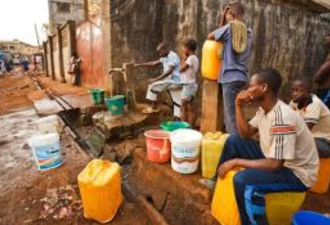
Access to safe water and sanitation remains a critical challenge worldwide. A 2025 report by the World Health Organization (WHO) and the United Nations Children’s Fund (UNICEF) marks persistent inequalities. Despite progress, low-income countries lag far behind in eliminating open defecation and achieving universal access to water, sanitation and hygiene (WASH). This gap threatens the achievement of Sustainable Development Goal 6 (SDG 6) by 2030.
Current Status of Sanitation
Between 2015 and 2024, 1.2 billion people gained access to safely managed sanitation. Global coverage rose from 48% to 58%. Three in five people now use hygienic toilets with safe waste treatment. Developed countries have nearly universal access. Latin America, the Caribbean, Eastern and South-Eastern Asia have eliminated open defecation. Northern Africa and Western Asia have nearly done so. However, low-income countries still have open defecation rates four times above the global average.
Drinking Water Access Trends
Global coverage of safely managed drinking water increased from 68% to 74% from 2015 to 2024. Rural areas saw a 10 percentage point rise, from 50% to 60%, while urban coverage remained steady at 83%. Urban areas have higher coverage but rural areas are improving faster. Despite this, people in the least developed countries are over twice as likely to lack safely managed water compared to the global average.
Persistent Inequalities in WASH
Inequalities exist between rural and urban populations, rich and poor households, and ethnic groups. Women and girls disproportionately bear the burden of collecting water. Access varies by road connectivity, disability status, and minority group membership. Marginalised groups, such as indigenous populations, often remain invisible in national data. This hinders targeted interventions and leaves many behind.
Required Scale of Action
To meet SDG 6 targets, lower-middle-income countries must double their current progress rates. Low-income countries require a sevenfold increase in basic water access and an eighteenfold rise in basic sanitation and hygiene coverage. Alternative data collection is vital to include small and marginalised populations. Accelerated efforts are needed to uphold water and sanitation as basic human rights.
Additional Challenges – Menstrual Health
The report also sheds light on menstrual health challenges in 70 countries. Women and girls face widespread difficulties across all income levels. Addressing menstrual health is essential for gender equality and overall wellbeing in WASH programmes.
Questions for UPSC:
- Discuss in the light of Sustainable Development Goal 6, the challenges and strategies for achieving universal access to water and sanitation by 2030.
- Critically examine the impact of socio-economic and geographic inequalities on access to water, sanitation and hygiene in developing countries.
- Explain the role of gender in water collection and sanitation access. How can policies address these gender disparities effectively?
- With suitable examples, discuss the importance of inclusive data collection for marginalised groups in formulating effective public health interventions.