
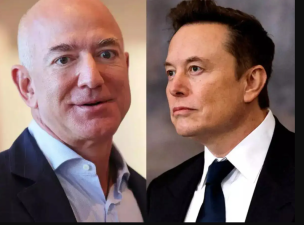
The space race between Jeff Bezos and Elon Musk continues to shape the future of space exploration in 2025. Both billionaires are pushing the boundaries of rocket technology and lunar missions. Their rivalry has evolved into a complex mix of innovation, competition, and strategic collaboration with NASA. This ongoing contest drives rapid advancements but also raises questions about the role of private wealth in space.
Background of the Lunar Lander Competition
In 2021, Blue Origin, led by Jeff Bezos, lost a key NASA lunar lander contract to SpaceX. This loss sparked legal protests from Bezos and intensified the rivalry. Blue Origin had invested years developing a lander prototype but failed to secure NASA’s trust. SpaceX, by contrast, had become NASA’s preferred partner, praised for reliability and innovation.
Bezos’ Vision Beyond NASA
After losing the contract, Bezos questioned the need for NASA’s approval. He resolved to build large rockets capable of reaching the Moon and Mars independently. Bezos’ approach shows a willingness to bypass traditional space agencies. His vision reflects a broader trend of billionaires pursuing space goals with private funding and minimal government reliance.
Musk’s Work Ethic and SpaceX Culture
Elon Musk’s SpaceX team is known for extreme dedication, often working 16-hour days and living near launch sites. Musk personally inspects and improves designs, encouraging a hands-on culture. This intense work environment drives rapid progress but also invites scrutiny over workplace conditions. Musk’s obsession with the Starship rocket aims at Mars missions but has caused tensions with NASA.
NASA’s Role and Leadership Dynamics
NASA remains a key player but faces challenges managing its relationships with private firms. Jim Bridenstine, former NASA administrator, had a difficult rapport with Musk, especially after Musk’s controversial public behaviour. However, Musk eventually earned NASA’s trust by delivering on commercial crew missions. NASA balances encouraging innovation with enforcing safety and mission priorities.
Public Perception and Industry Criticism
The billionaire space race is polarising. Supporters praise the technological breakthroughs and renewed interest in space. Critics question the motives behind billionaire-led missions and show issues like workplace discrimination at Blue Origin. The race is seen less as a noble quest and more as a power struggle for influence in space.
Future Prospects and Geopolitical Implications
The competition between Bezos and Musk will likely accelerate human presence beyond Earth. Their rivalry drives innovation but also risks fragmenting space efforts. The involvement of billionaires complicates international space governance and raises ethical questions about the commercialisation of space. How governments and private firms collaborate will shape humanity’s space future.
Questions for UPSC:
- Taking example of the private space race between Jeff Bezos and Elon Musk, discuss the impact of private sector participation on India’s space programme and its strategic autonomy.
- Examine the role of NASA in encouraging public-private partnerships in space exploration. How do these partnerships influence global space governance?
- With suitable examples, discuss the challenges and opportunities posed by technological innovation in space exploration on international security and diplomacy.
- Critically discuss the ethical and socio-economic implications of billionaire-driven space missions. How should policy frameworks address these concerns?