
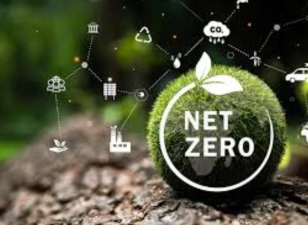
India is rapidly advancing its energy system electrification to meet its Net-Zero ambitions by 2070. This transformation focuses on replacing fossil fuels with renewable electricity across sectors such as industry, mobility, agriculture, and the built environment. The shift promises emission reductions, improved energy efficiency, and enhanced air quality.
Electrification and Emission Reduction
Electrifying 90% of India’s energy needs can cut emissions by 55%. Electricity is more efficient than fossil fuels. For instance, electric vehicles travel farther per energy unit. Electric heat pumps produce more heat per electricity unit. The International Energy Agency expects global energy use to drop 15% by 2035 due to electrification, even as economies grow. This leads to lower carbon emissions and cleaner air.
Phased Technology Deployment
India’s electrification plan unfolds in three phases. Phase 1 (up to 2030) focuses on mature technologies like renewable power, electric vehicles, and electric melting furnaces. Early investments target electric cement kilns, green hydrogen, and ore electrolysis. Phase 2 (2030-2050) will see full electrification in railways, fertilisers, and textiles. New tech such as small nuclear reactors and electric blast burners will emerge. Phase 3 (2050-2070) aims for scalable, indigenous technologies. It targets 3,500 GWh battery storage and 55 million tonnes of green hydrogen production. This phase will revolutionise shipping, steel, aluminium, glass, and cement sectors. Breakthroughs like fusion and direct air capture will mature.
Mobility Sector Electrification
Mobility offers the most visible electrification gains. Transitioning to electric vehicles, hydrogen fuels, and smart grids can reduce fossil fuel dependency. Consumer affordability and incentives like buy-back schemes support adoption. Electrification extends beyond passenger vehicles to heavy transport, small boats, and intra-city air cargo.
Policy and Financial Support
Government policies drive renewable energy growth and electrification incentives. Currently, renewables form 25% of India’s energy mix with steady growth. Carbon pricing can discourage emissions and generate funds for decarbonisation. Early-stage technology funding through R&D innovation funds attracts private investment. Securing supply chains for critical minerals like copper and cobalt requires diplomatic efforts and strategic planning.
Energy Security and Economic Impact
Electrification reduces India’s crude oil, natural gas, and coal imports. Domestic manufacturing of electrification technologies strengthens supply chains and energy security. This transformation aligns with India’s economic growth and global climate commitments.
Questions for UPSC:
- Taking example of India’s energy transition, discuss the role of electrification in achieving sustainable development goals and climate targets.
- Examine the challenges and opportunities in securing critical mineral supply chains for renewable energy technologies in India.
- Analyse the impact of carbon pricing on industrial growth and environmental sustainability. How can it be effectively implemented in developing economies?
- Discuss in the light of global trends, how electrification of the mobility sector can contribute to reducing urban air pollution and dependence on fossil fuels.
Answer Hints:
1. Taking example of India’s energy transition, discuss the role of electrification in achieving sustainable development goals and climate targets.
- Electrification can decarbonise up to 90% of India’s energy needs, reducing emissions by 55%.
- It improves energy efficiency, e.g., electric vehicles and heat pumps use less energy per output.
- Supports multiple SDGs – affordable clean energy (SDG 7), climate action (SDG 13), industry innovation (SDG 9), and sustainable cities (SDG 11).
- Phased deployment of mature and emerging technologies ensures technological and economic feasibility.
- Reduces fossil fuel imports, enhancing energy security and economic resilience.
- Improves air quality, contributing to health and well-being (SDG 3).
2. Examine the challenges and opportunities in securing critical mineral supply chains for renewable energy technologies in India.
- Critical minerals like copper, nickel, cobalt, and rare earths have long payback periods (~10 years), requiring sustained investment.
- Domestic supply is limited; dependence on imports creates strategic vulnerabilities.
- Government diplomatic outreach and international mining partnerships are essential to secure resources.
- Developing resilient, indigenous manufacturing and recycling capabilities can reduce import dependence.
- Supply chain disruptions can delay renewable energy and electrification targets.
- Opportunity to create jobs and technological leadership by investing in local mineral processing industries.
3. Analyse the impact of carbon pricing on industrial growth and environmental sustainability. How can it be effectively implemented in developing economies?
- Carbon pricing incentivizes emission reductions by making polluting activities costlier.
- Generates government revenue that can fund clean energy and innovation projects.
- Can initially increase production costs, potentially affecting industrial competitiveness.
- Effective implementation requires phased introduction, clear pricing signals, and support for vulnerable sectors.
- Revenue recycling to subsidize green technologies can ease transition burdens on industries and consumers.
- Transparency, robust monitoring, and international cooperation enhance credibility and impact.
4. Discuss in the light of global trends, how electrification of the mobility sector can contribute to reducing urban air pollution and dependence on fossil fuels.
- Electric vehicles produce zero tailpipe emissions, improving urban air quality.
- Renewable-powered electric mobility reduces fossil fuel consumption and associated CO2 emissions.
- Technological advances and cost reductions increase EV affordability and adoption globally.
- Smart grids and battery storage support integration of intermittent renewables for clean charging.
- Electrification extends to heavy transport, shipping, and intra-city air cargo, broadening impact.
- Policy incentives, buy-back schemes, and consumer awareness accelerate the transition.