
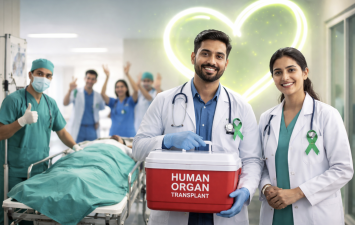
India’s organ donation and transplantation ecosystem has witnessed a transformative surge over the past decade, driven by policy reform, digital integration, and sustained public awareness. With transplants rising from fewer than 5,000 in 2013 to nearly 20,000 in 2025, the country is steadily building a responsive and equitable transplant framework. Prime Minister Narendra Modi, through his ‘Mann Ki Baat’ address, has repeatedly highlighted the importance of organ donation, giving fresh momentum to what is increasingly becoming a nationwide life-saving movement.
Unprecedented Growth in Organ Transplants
According to data from the National Organ and Tissue Transplant Organization (NOTTO), India has achieved a fourfold increase in transplants over the past decade.
Key highlights include:
- Nearly 20,000 transplants recorded in 2025.
- Around 18% of transplants from deceased donors.
- Over 1,200 families consented to organ donation in 2025.
- More than 4.8 lakh citizens registered through Aadhaar-based verification since September 2023.
Each deceased donor is now increasingly contributing as a multi-organ donor, significantly improving organ utilisation rates and saving multiple lives per donation.
India’s Expanding Clinical Capabilities
India has developed expertise in complex transplant procedures, including heart, lung, pancreas, and composite tissue transplants. Notably, the country performs the highest number of hand transplants globally.
Indian transplant professionals deliver outcomes comparable to global benchmarks, often at significantly lower costs — enhancing access for patients and strengthening India’s position as a medical hub.
Institutional Reforms Driving Results
The rapid progress reflects structural strengthening under NOTTO’s leadership. Key reforms include:
- Real-time national organ allocation systems.
- Expansion and modernisation of the National Organ & Tissue Transplant Registry.
- Capacity building of State (SOTTOs) and Regional (ROTTOs) organisations.
- Standardised transplant protocols aligned with global best practices.
- Digital platforms for donor and patient registration.
- Operationalisation of “Green Corridors” for rapid organ transport.
Green Corridors — dedicated traffic-free routes — have enabled swift inter-city and inter-state transport of organs, reducing ischemic time and improving survival outcomes.
People-Centric Awareness Movement
Beyond institutional reform, a cultural shift is underway. Public awareness campaigns, involvement of Panchayati Raj Institutions, and youth engagement have fostered greater societal acceptance of organ donation.
Hospitals have improved donor identification and retrieval systems, while coordinated efforts between central and state governments have strengthened the ethical and transparent allocation process.
The emphasis on deceased organ donation is particularly crucial, as India’s donation rate has historically lagged behind developed nations.
Ethical Governance and Digital Transparency
The strengthened transplant registry ensures:
- Transparency in waiting lists
- Traceability of donated organs
- Equitable allocation across states
- Reduced scope for malpractice
Aadhaar-based verification has enhanced authenticity and reduced duplication in donor registration, supporting trust in the system.
Challenges That Remain
Despite progress, structural challenges persist:
- Low deceased donor rate compared to global averages
- Regional disparities in transplant infrastructure
- Need for trained transplant coordinators
- Socio-cultural hesitation around organ donation
Expanding transplant facilities in underserved regions and maintaining ethical safeguards remain critical priorities.
What to Note for Prelims?
- NOTTO functions as the national coordinating body for organ allocation.
- Transplants increased from under 5,000 (2013) to nearly 20,000 (2025).
- 18% of transplants now from deceased donors.
- Green Corridors facilitate rapid organ transport.
- India leads globally in hand transplants.
What to Note for Mains?
- Discuss the role of institutional reforms in strengthening organ transplantation in India.
- Examine ethical and logistical challenges in organ allocation systems.
- Analyse the importance of deceased organ donation for public health outcomes.
- Evaluate the role of digital governance in enhancing transparency in healthcare delivery.