
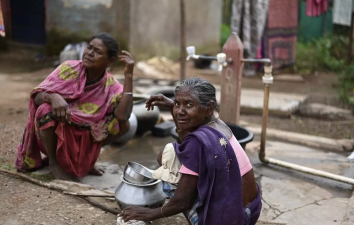
The Comptroller and Auditor General (CAG) of India has identified significant gaps in the implementation of welfare schemes for Particularly Vulnerable Tribal Groups (PVTGs) in Odisha. These groups, recognised for their socio-economic backwardness and distinct cultural identity, have not fully benefited from government initiatives aimed at improving their living standards. The audit highlights challenges in scheme coverage, fund utilisation, and monitoring mechanisms.
Background of Particularly Vulnerable Tribal Groups (PVTGs)
PVTGs are a sub-category of Scheduled Tribes identified by the Government of India based on features like pre-agriculture level of technology, stagnant or declining population, low literacy, and subsistence-level economy. Odisha is home to 13 of the 75 PVTGs recognised nationally, including groups such as the Birhor, Bondo, and Juang. These communities face extreme deprivation and require focused government intervention.
Findings of the CAG Audit
The CAG audit revealed that many welfare schemes intended for PVTGs in Odisha suffered from inadequate coverage and implementation delays. Essential programmes such as housing, health, education, and livelihood support were not reaching the entire target population. There were instances of underutilisation of funds and poor record-keeping. The audit also pointed to insufficient coordination between state agencies and tribal welfare departments.
Challenges in Scheme Implementation
Key challenges include difficult terrain and remote locations of PVTG habitations, which hinder access to services. Lack of awareness among tribal communities about their entitlements further limits participation. Additionally, infrastructure deficits and shortage of trained personnel affect the delivery of healthcare and education. The audit emphasised the need for improved monitoring and community involvement to ensure effective utilisation of resources.
Government Response and Way Forward
The Odisha government has acknowledged the gaps and is working on strengthening the implementation framework for PVTGs. Measures include enhancing data collection, increasing fund allocation, and improving inter-departmental coordination. Focus is also on capacity building and awareness campaigns to empower tribal communities. Addressing these issues is crucial to achieve inclusive development and safeguard the rights of PVTGs.
What to Study for UPSC Exams?
- Scheduled Tribes and Tribal Policy in India
- Socio-economic Indicators of Tribal Communities
- Role of CAG in Public Accountability
- Government Welfare Schemes for Tribals
- Challenges in Tribal Development Programmes
Particularly Vulnerable Tribal Groups (PVTGs)
PVTGs are a sub-category of Scheduled Tribes identified by the Government of India based on criteria such as pre-agricultural level of technology, stagnant or declining population, low literacy rates, and subsistence-level economies. There are 75 PVTGs nationally, with Odisha hosting 13 groups including Birhor, Bondo, and Juang. These groups exhibit extreme socio-economic backwardness and distinct cultural identities. The classification aims to prioritize focused welfare interventions for their upliftment. PVTGs face challenges like isolation, limited access to resources, and vulnerability to exploitation.
Welfare Schemes for Tribals in India
Government welfare schemes for tribals include initiatives in housing (e.g., Pradhan Mantri Awas Yojana), health (e.g., National Health Mission), education (e.g., Eklavya Model Residential Schools), and livelihood (e.g., Vanbandhu Kalyan Yojana). These schemes target socio-economic development, infrastructure, and capacity building. Fund allocation and utilization are monitored by central and state agencies. Challenges include coverage gaps, implementation delays, and coordination issues. Schemes emphasize community participation and culturally sensitive approaches.
Role of Comptroller and Auditor General (CAG) in Public Accountability
The CAG of India is a constitutional authority responsible for auditing government expenditure and ensuring financial accountability. It audits accounts of the central and state governments, public sector undertakings, and autonomous bodies. CAG reports highlight inefficiencies, fund misutilization, and implementation gaps in government programmes. Its findings are submitted to legislatures for corrective action. The office strengthens transparency and governance, playing a key role in public financial management and anti-corruption efforts.
Challenges in Tribal Development Programmes
Challenges include difficult terrain and remote habitation locations limiting access to services. Low awareness among tribal populations about entitlements reduces scheme uptake. Infrastructure deficits in health, education, and transport hinder delivery. Shortage of trained personnel affects quality of services. Coordination gaps between departments impede effective implementation. Cultural differences and language barriers complicate outreach. Monitoring and data collection weaknesses reduce programme efficacy. These factors collectively slow socio-economic progress of tribal communities.
Socio-economic Indicators of Tribal Communities
Tribal communities often exhibit lower literacy rates, higher poverty levels, poor health indicators, and limited access to basic amenities compared to national averages. Infant mortality and malnutrition rates are typically higher. Dependence on subsistence agriculture and forest-based livelihoods is common. Social exclusion and marginalization impact education and employment opportunities. Infrastructure deficits and inadequate public services exacerbate vulnerabilities. These indicators guide targeted policy formulation and resource allocation for tribal welfare.
Last Modified: April 8, 2026