
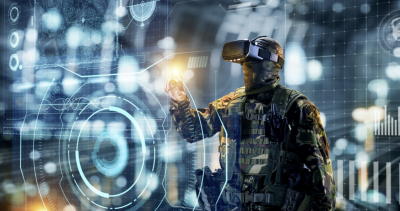
The ongoing conflict involving Iran has brought renewed attention to the role of artificial intelligence (AI) in modern warfare. AI technologies are increasingly integrated into military strategies, transforming how conflicts are managed and fought. This development underscores the growing importance of AI in enhancing defence capabilities and reshaping global security dynamics.
AI-Enabled Surveillance and Reconnaissance
AI-powered systems have significantly improved surveillance and reconnaissance operations in the Iran conflict. These technologies enable real-time data analysis from drones, satellites, and other sensors. AI algorithms process vast amounts of information quickly, identifying enemy movements and potential threats with greater accuracy than traditional methods. This capability enhances situational awareness and decision-making on the battlefield.
Autonomous Weapon Systems
The conflict has seen the deployment of autonomous or semi-autonomous weapon systems guided by AI. These systems can operate with minimal human intervention, targeting enemy positions based on programmed criteria. The use of such weapons raises ethical and strategic questions but offers tactical advantages like faster response times and reduced risk to personnel.
Cyber Warfare and AI
AI is also playing a crucial role in cyber warfare aspects of the Iran conflict. AI-driven cyber tools are used for offensive and defensive operations, including detecting and countering cyberattacks. These technologies help protect critical infrastructure and disrupt adversary communications, highlighting the intersection of AI and cybersecurity in modern conflicts.
Implications for Global Security and Defence Policies
The integration of AI in the Iran conflict signals a broader shift in global military strategies. Nations are increasingly investing in AI research to maintain strategic advantages. This trend necessitates updated defence policies and international regulations to address challenges related to AI ethics, accountability, and the potential for escalation in armed conflicts.
What to Study for UPSC Exams?
- Artificial Intelligence in Defence Systems
- Ethics of Autonomous Weapons
- Cybersecurity and Warfare
- International Humanitarian Law and AI
- Geopolitics of Technological Warfare
Artificial Intelligence in Defence Systems
AI in defence involves the use of machine learning, computer vision, and data analytics to enhance military operations. Applications include real-time surveillance, threat detection, autonomous vehicles, and decision support systems. AI improves speed, accuracy, and efficiency in intelligence gathering and battlefield management. Integration spans land, air, sea, and space domains. Challenges include data security, system reliability, and integration with legacy platforms.
Ethics of Autonomous Weapons
Autonomous weapons operate with minimal or no human control, using AI to identify and engage targets. Ethical concerns focus on accountability, decision-making transparency, and the risk of unintended escalation. International debates address the legality of lethal autonomous weapons under humanitarian law. Proponents cite reduced human casualties and faster responses; critics warn of moral and strategic risks. Discussions involve defining meaningful human control and establishing regulatory frameworks.
Cybersecurity and Warfare
Cyber warfare employs digital attacks to disrupt, damage, or gain advantage over adversaries. AI enhances cyber defence by detecting anomalies, predicting threats, and automating responses. Offensive AI tools conduct sophisticated intrusions, phishing, and malware deployment. Critical infrastructure, military networks, and communication systems are primary targets. Cyber warfare blurs traditional conflict boundaries, requiring continuous innovation in AI-driven security measures and international cyber norms.
International Humanitarian Law and AI
International Humanitarian Law (IHL) governs conduct during armed conflicts, aiming to protect civilians and limit suffering. AI’s role in warfare raises questions about compliance with IHL principles like distinction, proportionality, and precaution. Autonomous systems challenge attribution of responsibility for violations. Efforts focus on adapting IHL to emerging technologies, ensuring accountability, and preventing unlawful harm. Legal debates include the applicability of existing treaties and the need for new international agreements.
Geopolitics of Technological Warfare
Technological warfare involves the strategic use of advanced technologies like AI, cyber tools, and autonomous systems to gain geopolitical advantage. Major powers invest heavily in AI military R&D, influencing global power balances. Technology-driven conflicts impact alliances, deterrence strategies, and arms control. Emerging tech reshapes warfare doctrines and triggers regional security dilemmas. Control over AI innovation and supply chains is a key factor in geopolitical competition.
Last Modified: April 8, 2026