
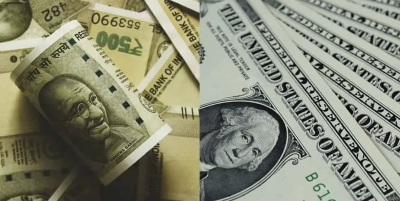
The Indian rupee depreciated against the US dollar due to the latter’s strengthening in global currency markets. The rupee fell by 0.5% to 83.20 per dollar on the latest trading day. The US dollar index rose by 0.3% driven by strong economic data from the United States. Currency markets reflected increased demand for the US dollar as a safe-haven asset.
US Dollar Strength Factors
The US dollar gained strength following higher-than-expected US inflation data at 4.9% year-on-year. The Federal Reserve indicated potential interest rate hikes to curb inflation. Strong US labour market reports showed unemployment at 3.7%. These factors increased investor confidence in the US dollar.
Impact on Indian Economy
A weaker rupee raises import costs, especially for crude oil, which accounts for 80% of India’s import bill. This contributes to inflationary pressures in India. Exporters benefit from a weaker rupee as Indian goods become cheaper abroad. Foreign portfolio investors reduced equity inflows due to currency risks.
Global Currency Market Trends
The euro and Japanese yen weakened against the US dollar by 0.4% and 0.6%, respectively. Emerging market currencies, including the Indian rupee, faced depreciation due to capital outflows. The International Monetary Fund (IMF) highlighted global currency volatility amid geopolitical tensions.
Government and RBI Measures
The Reserve Bank of India intervened by selling US dollars to stabilise the rupee. The RBI maintained its policy rate at 6.5% in the latest monetary review. The government is monitoring exchange rate fluctuations to manage inflation and trade balance. Steps include encouraging foreign direct investment and export promotion.
What to Study for UPSC Exams?
- Foreign Exchange Market Mechanisms
- Monetary Policy Tools and Effects
- India’s Balance of Payments Structure
- Global Inflation Trends and Responses
Foreign Exchange Market Mechanisms
Foreign exchange markets operate 24/7 globally, with daily turnover exceeding $6 trillion. Currency values are influenced by supply-demand dynamics, interest rates, and geopolitical events. Major trading centers include London, New York, and Tokyo, with spot, forward, and swap contracts as key instruments.
Monetary Policy Tools and Effects
Central banks use tools like repo rates, reserve requirements, and open market operations to control money supply. Monetary policy affects inflation, employment, and currency stability. Tightening raises interest rates to curb inflation; easing lowers rates to stimulate growth.
India’s Balance of Payments Structure
India’s balance of payments consists of the current account (trade, services, remittances) and capital account (FDI, portfolio flows). India often runs a current account deficit, financed by capital inflows. Services exports and remittances are significant foreign exchange earners.
Global Inflation Trends and Responses
Global inflation varies due to supply shocks, demand surges, and monetary policies. Central banks worldwide respond with interest rate adjustments and quantitative easing or tightening. Energy prices and food supply disruptions are major inflation drivers.
Last Modified: April 13, 2026