
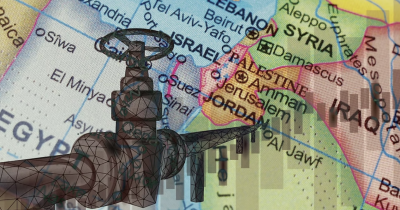
The ongoing conflict in Iran has caused significant disruptions in global supply chains, affecting multiple sectors including healthcare. Key commodities such as pharmaceuticals, medical devices, and raw materials face delays and shortages worldwide. Major shipping routes and logistics networks passing through the Persian Gulf have experienced interruptions since the conflict escalated.
Impact on Healthcare Commodities
Iran is a critical supplier of pharmaceutical raw materials and medical equipment components. The conflict has led to export restrictions and logistical bottlenecks, delaying the delivery of essential healthcare products. Several countries reliant on Iranian imports report shortages of active pharmaceutical ingredients (APIs) and specialised medical devices. International firms have suspended shipments or rerouted supplies, increasing costs and delivery times.
Disruption in Maritime and Land Routes
The Persian Gulf and Strait of Hormuz, vital for oil and cargo shipping, have seen increased military activity and security risks. This has caused delays and rerouting of vessels, affecting global trade flows. Land transport corridors connecting Iran to neighbouring countries are also disrupted due to border closures and heightened security measures, further impacting supply chains.
Global Economic and Industrial Effects
The supply chain disruptions have led to increased prices for healthcare commodities and other goods dependent on Iranian raw materials. Manufacturing units in Europe, Asia, and the Middle East face production slowdowns due to material shortages. Insurance premiums for shipping in the region have risen, adding to operational costs. Some countries are seeking alternative suppliers to mitigate risks.
International Response and Mitigation Efforts
Global logistics companies are adjusting routes and increasing inventory buffers to manage uncertainties. Governments are engaging in diplomatic efforts to stabilise trade corridors. Some healthcare firms are diversifying supply sources and accelerating local production of critical inputs. Multilateral agencies are monitoring the situation to coordinate responses and ensure continuity of essential supplies.
What to Study for UPSC Exams?
- Global Supply Chain Management
- Maritime Security and Trade Routes
- Pharmaceutical Supply Chains
- Geopolitics of the Persian Gulf
Global Supply Chain Management
Global supply chains connect production, shipment, and distribution across countries. The concept evolved post-1980s with globalization and just-in-time manufacturing. Disruptions like pandemics or conflicts reveal vulnerabilities, prompting shifts toward resilience and localization. Digital technologies like blockchain and AI increasingly optimize transparency and efficiency in supply chain operations.
Maritime Security and Trade Routes
Maritime security protects sea lanes critical for 80% of global trade. Key chokepoints include the Strait of Hormuz and Malacca Strait. Piracy hotspots shift over time, with Gulf of Aden and West Africa notable in recent decades. Naval coalitions and international laws like UNCLOS govern security and freedom of navigation.
Pharmaceutical Supply Chains
Pharmaceutical supply chains involve sourcing raw materials, manufacturing, and distribution of drugs worldwide. Active Pharmaceutical Ingredients (APIs) are predominantly produced in India and China. Supply chains are highly regulated and vulnerable to geopolitical tensions, affecting drug availability and pricing.
Geopolitics of the Persian Gulf
The Persian Gulf is a strategic energy corridor holding over 40% of global oil reserves. Regional powers include Iran, Saudi Arabia, and the UAE, often competing for influence. Control over the Strait of Hormuz, through which about 20% of global petroleum passes, is a focal point of geopolitical tension.
Last Modified: April 17, 2026