
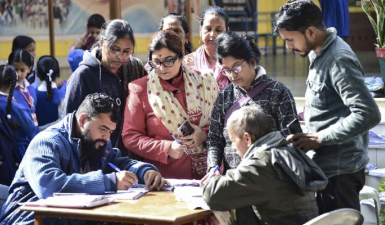
The Uttar Pradesh Special Identification Register (SIR) recorded significant voter deletions ahead of upcoming elections. Over 1.2 million names were removed from the electoral rolls in multiple districts. The deletions affected various demographic groups, including Scheduled Castes and minorities. The Election Commission of India (ECI) oversaw the revision process.
Scope and Scale of Deletions
The deletions occurred across 20 districts in Uttar Pradesh. The highest number of removals was in districts with large urban populations. The deletions included names of voters who were reportedly duplicates, deceased, or had shifted residences. The process aimed to update and clean the electoral rolls before the state assembly elections.
Legal and Administrative Framework
The deletions followed guidelines under the Representation of the People Act, 1950. The ECI conducted door-to-door verification and cross-checked data with government records. Affected voters were given an opportunity to appeal through designated officials. The final list was published after a public notification period.
Demographic Impact
The deletions disproportionately affected Scheduled Castes and minority communities in some districts. Reports indicated that certain localities experienced higher removal rates than others. The ECI stated that the deletions were based on objective criteria without discrimination. Several political parties raised objections citing potential disenfranchisement.
Electoral Implications
The removal of over one million voters could influence the electoral mandate in key constituencies. Election analysts noted shifts in voter demographics due to the deletions. The ECI assured that all eligible voters retained their rights after verification. The revised electoral rolls will be used in the forthcoming Uttar Pradesh assembly elections.
What to Study for UPSC Exams?
- Electoral Rolls and Voter Registration
- Representation of the People Act, 1950
- Election Commission of India Functions
- Demographic Data in Electoral Politics
Electoral Rolls and Voter Registration
Electoral rolls are official lists of eligible voters maintained by election authorities. Voter registration ensures individuals meet criteria like age and citizenship. Rolls are updated periodically to remove duplicates, deceased voters, or those who relocated. Accurate rolls prevent electoral fraud and facilitate smooth elections.
Representation of the People Act, 1950
This Act governs the preparation and revision of electoral rolls in India. It outlines procedures for voter registration, deletion, and objections. The Act ensures transparency and fairness in maintaining electoral lists. It is a foundational law regulating voter eligibility and registration processes nationwide.
Election Commission of India Functions
The Election Commission of India (ECI) is an autonomous constitutional authority overseeing elections. It conducts elections for Parliament, state legislatures, and the presidency. ECI enforces election laws, manages electoral rolls, and ensures free and fair elections. It also supervises political party registration and campaign regulations.
Demographic Data in Electoral Politics
Demographic data includes age, caste, religion, and ethnicity statistics used to analyze voting patterns. It influences political strategies and candidate selection. Changes in demographics can shift electoral outcomes. Accurate demographic data helps in constituency delimitation and targeted voter outreach.
Last Modified: April 18, 2026