
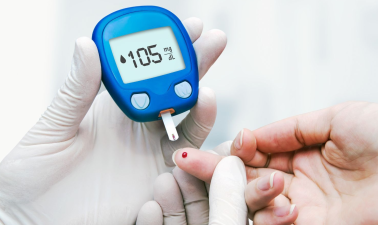
The National Family Health Survey-6 (NFHS-6) conducted during 2023-24 by the Union Health Ministry reveals a sharp increase in lifestyle-related disorders across India, marking an epidemiological transition from communicable to non-communicable diseases. While the country registered progress in traditional maternal and child health parameters, the data shows a steep rise in adult obesity, elevated blood sugar levels, and surgical birth interventions over the last five years. The comprehensive survey covered approximately 6.79 lakh households across 715 districts, serving as a critical data baseline for national public health and socioeconomic policy formulation.
Emerging Trends in Adult Obesity
The survey indicates an expansion of the overweight and obese population across both genders, with the most severe accumulation observed in urban ecosystems.
Gender-Based Prevalence
The proportion of overweight or obese individuals, measured via Body Mass Index (BMI), expanded across both cohorts compared to the NFHS-5 (2019-21) data.
- Female Cohort: The percentage of overweight or obese women aged 15-49 years increased from 24% to 30.7%.
- Male Cohort: The percentage of overweight or obese men aged 15-49 years grew from 22.9% to 27.3%.
Urban-Rural Divergence
The structural shift toward sedentary lifestyles, desk-bound occupations, higher screen times, and ultra-processed food consumption has created clear geographic disparities.
- Urban Areas: Obesity affects 42.8% of urban women and 36.3% of urban men.
- Rural Areas: The burden remains lower but rising, standing at 25.5% for rural women and 23% for rural men.
Surge in Blood Sugar Levels and Diabetes
Metabolic degradation tied to weight gain has triggered a parallel escalation in high blood glucose levels among the adult population aged 15 years and above.
High Blood Sugar Statistics
The survey monitored individuals who either presented elevated blood glucose levels during screening or were already taking prescription medication for diabetes control.
- Men: The national prevalence of high blood sugar among men rose from 15.6% to 20.9%. Urban men recorded a higher regional burden at 23.9%, compared to 19.7% for rural men.
- Women: The proportion of women experiencing high blood sugar expanded from 13.5% to 17.8%. Urban women demonstrated a higher prevalence at 21.9% versus 16.2% in rural areas.
Regional Hotspots
Southern states and Union Territories reported the highest concentration of metabolic and lifestyle disorders.
- Puducherry & Chandigarh: Puducherry registered the highest female obesity level at 46.3%, closely followed by Chandigarh at 44%.
- Goa: More than a quarter of women (27.5%) and nearly a third of men (32.1%) have high blood sugar levels, alongside an adult obesity rate exceeding 43% across both genders.
- Andhra Pradesh: Nearly half of the adult female population (47.9%) is classified as overweight or obese, with 21.8% managing high blood sugar.
- Low-Prevalence States: Central and eastern states like Bihar and Chhattisgarh recorded the lowest relative rates of obesity and diabetes.
Healthcare Delivery and Child Nutrition Indicators
The survey captured contrasting trajectories between lifestyle illnesses and structural maternal-child health metrics.
Rise in Caesarean-Section Deliveries
Surgical birth interventions have escalated nationally, driven primarily by operations inside commercial healthcare facilities. The rate of C-section deliveries in states like Maharashtra climbed to 33.6%, meaning one in every three births occurs surgically. Private healthcare facilities account for the vast majority of these interventions, frequently recording C-section rates near 50%.
Positive Shifts in Child Nutrition
In contrast to adult lifestyle metrics, chronic undernutrition among children under the age of five showed steady reduction.
| Nutritional Indicator (Children Under 5) | NFHS-5 Baseline | NFHS-6 Status |
| Stunting (Chronic Malnutrition / Low Height-for-Age) | 35.5% | 29.3% |
| Severe Wasting (Acute Malnutrition / Low Weight-for-Height) | 7.7% | 5.2% |
| Underweight (Low Weight-for-Age) | 32.1% | 31.8% |
Maternal Care and Immunisation Gains
Socioeconomic indicators showed upward progress due to targeted digital and medical schemes.
- Institutional Deliveries: Expanded nationally to 90.6%, up from the previous 88.6%.
- Antenatal Care (ANC): Mothers completing at least four ANC visits reached 65.2%, up from 58.5%. Iron-Folic Acid (IFA) tablet consumption for 180+ days rose from 26% to 37.8%.
- Immunisation: Full vaccination coverage among infants aged 12-23 months improved from 76.6% to 82.6%. Rotavirus immunization coverage expanded from 36.4% to 85.4%.
- Digital Literacy: The percentage of women who have ever utilized the internet nearly doubled, jumping from 33.3% to 64.3%.
IASPOINT Booster Facts for UPSC
- Nodal Agency: The International Institute for Population Sciences (IIPS), Mumbai serves as the designated nodal agency responsible for coordinating, designing, and executing the National Family Health Survey rounds under the aegis of the Ministry of Health and Family Welfare.
- Exempted Regions: Due to administrative and security challenges, NFHS-6 fieldwork could not cover the state of Manipur, making it the sole exception in the national dataset.
- Epidemiological Transition: This term denotes a long-term shift in a population’s health profile where infectious, communicable diseases (like tuberculosis and malaria) are gradually replaced by chronic, degenerative, non-communicable lifestyle conditions (like Type 2 diabetes and cardiovascular disorders).
- ICMR-INDIAB Study Base: Prior to NFHS-6, data from the Indian Council of Medical Research-India Diabetes (ICMR-INDIAB) study estimated that India was already home to over 10 crore individuals living with clinically diagnosed diabetes.
- Institutional Frameworks for NCDs: The Government of India tackles metabolic disorders through the National Programme for Prevention and Control of Non-Communicable Diseases (NP-NCD), the Food Safety and Standards Authority of India’s (FSSAI) Eat Right India Movement, and traditional healthcare integrations via the Ayurswasthya Yojana.