
- Nodal Agency: International Institute for Population Sciences (IIPS), Mumbai, under the Ministry of Health and Family Welfare.
- Coverage & Exception: Conducted during 2023-24 covering 715 districts. Manipur was the sole state excluded due to security challenges.
- Core Trend: Confirms India’s epidemiological transition, marked by a shift from infectious, communicable diseases to chronic, non-communicable lifestyle diseases (NCDs).
Key Findings and Health Indicators
- Adult Obesity (15-49 years): Spiked in women (24% to 30.7%) and men (22.9% to 27.3%). Urban sectors show higher vulnerability. Andhra Pradesh (47.9% women) and Puducherry logged the highest levels; Bihar and Chhattisgarh recorded the lowest.
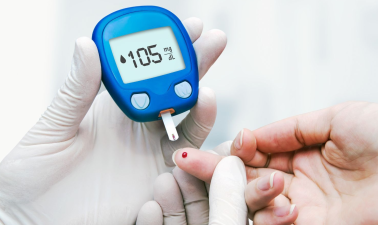
- Elevated Blood Sugar: Expanded nationally among men (20.9%) and women (17.8%). Goa recorded a severe regional metabolic burden.
- Maternal Health & Deliveries: Institutional deliveries grew to 90.6%. C-section births escalated sharply, climbing to 33.6% in Maharashtra, driven primarily by private healthcare facilities (~50%).
- Child Nutrition (Under 5): Showed positive reduction; Stunting decreased from 35.5% to 29.3%, while Severe Wasting dropped from 7.7% to 5.2%.
- Digital Literacy: Proportion of women utilizing the internet nearly doubled, jumping to 64.3%.
IASPOINT Booster Facts
- Epidemiological Transition: A long-term population health shift where infectious illnesses are gradually replaced by chronic, lifestyle-related degenerative conditions.
- NCD Institutional Frameworks: India combats metabolic diseases through the National Programme for Prevention and Control of Non-Communicable Diseases (NP-NCD), FSSAI’s Eat Right India Movement, and the Ayurswasthya Yojana.