
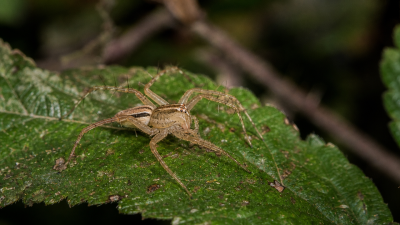
A new lynx spider species, Hamataliwa mawlyngot, was described in June 2026 from Mawlyngot village in East Khasi Hills, Meghalaya by researchers from the Zoological Survey of India and the University of Calcutta; the study appeared in National Academy Science Letters (June 2026).
Taxonomy & Description
- Scientific name: Hamataliwa mawlyngot; genus Hamataliwa; family Oxyopidae; order Araneae.
- Morphology: Adult body no larger than a fingernail; detailed diagnostic characters provided in the species description (male and/or female genitalia are primary taxonomic characters in Araneae).
Distribution & Habitat
- Type locality: Mawlyngot village, East Khasi Hills district, Meghalaya.
- Habitat: Collected from Molucca brambles; represents a microhabitat association in understorey vegetation.
- Range significance: First record of genus Hamataliwa in Meghalaya; extends known Indian distribution and helps bridge a geographic gap across Asia.
Behaviour & Ecology
- Foraging: Lynx spiders are active hunters that use keen vision, speed and agility to ambush prey; they do not construct capture webs.
Research & Publication
- Authors & institutions: Souvik Sen, Upasana Bhattacharya, Puthoor Pattammal Sudhin; Zoological Survey of India and University of Calcutta.
- Publication: National Academy Science Letters, June 2026.
IASPOINT Booster Facts
- Zoological Survey of India: National agency for faunal documentation and species descriptions in India.
- Oxyopidae: Family characterised by laterigrade legs and cursorial hunting; common name — lynx spiders.
- Biogeography: Meghalaya lies within the Indo‑Burma Biodiversity Hotspot, a priority area for species discovery and endemism.