
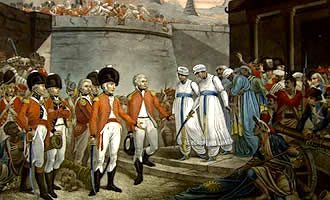

The Revolt of 1857, also known as the First War of Indian Independence, marked uprising against British colonial rule in India. This revolt was driven by various political, economic, social, and military grievances. The widespread discontent among diverse sections of Indian society culminated in this large-scale rebellion.
Economic Causes
The economic policies of the British severely impacted India. The Industrial Revolution in Britain led to a demand for raw materials. The British exploited India’s resources to serve their interests. Key economic causes include:
- Destruction of Industries: Traditional handicrafts were obliterated, leading to unemployment among artisans.
- Heavy Taxation: The East India Company imposed excessive taxes, burdening peasants and zamindars.
- Revenue Settlements: Permanent settlement in Bengal and other exploitative systems drained local economies.
- Commercial Crop Cultivation: Farmers were forced to grow cash crops instead of food, leading to famine.
- Discriminatory Tariffs: Indian goods were subjected to high tariffs, favouring British manufactured products.
The cumulative effect of these policies resulted in widespread poverty and economic distress across the country.
Socio-Religious Causes
The British policies were perceived as threats to Indian social and religious customs. Key socio-religious grievances included:
- Christian Missionary Activities: Fear of forced conversions created distrust among the population.
- Religious Disabilities Act of 1850: This act modified Hindu customs, causing resentment.
- Abolition of Sati: The ban on Sati was seen as interference in traditional practices.
- Taxation of Religious Institutions: Temples and mosques faced new taxes, undermining their financial stability.
These factors contributed to a growing sense of insecurity among the masses.
Political Causes
The political landscape under British rule was characterised by aggressive annexation policies. Important political grievances included:
- Doctrine of Lapse: This policy allowed the British to annex states without a natural heir.
- Annexation of Awadh: The British annexed Awadh in 1856, claiming maladministration, which angered many.
- Absentee Sovereignty: Decisions were made far from India, creating a disconnect between rulers and subjects.
These political actions alienated Indian rulers and the general populace.
Administrative Causes
The administrative structure of the East India Company was viewed as corrupt and ineffective. Key administrative issues included:
- Exclusion from Power: Indians were largely barred from high-ranking positions in administration and military.
- Corruption: Widespread corruption in lower levels of administration exacerbated grievances.
- Complex Judicial Process: The legal system favoured the wealthy, leaving the poor vulnerable.
The perception of British officials as ‘foreigners’ further alienated the Indian populace.
Military Causes
The conditions of service for sepoys (Indian soldiers) deteriorated under British rule. Key military grievances included:
- Discrimination: Sepoys faced unequal pay and limited opportunities for promotion.
- Service Conditions: Mandatory service in distant lands was seen as a loss of caste.
- General Service Enlistment Act: This act forced sepoys to serve anywhere, violating their religious beliefs.
These military grievances contributed to the overall discontent among the sepoys.
Immediate Causes
The immediate trigger for the revolt was the introduction of the Enfield rifle. Key points include:
- Controversial Cartridges: The cartridges were rumoured to be greased with cow and pig fat, offensive to both Hindus and Muslims.
- Religious Sentiments: The violation of religious beliefs ignited anger among sepoys.
This immediate cause acted as a catalyst for the widespread uprising.
Historical Context
The period from 1757 to 1857 saw various uprisings and revolts, including tribal and peasant movements. The backdrop of colonial exploitation set the stage for the revolt. The discontent had been brewing for decades, culminating in the events of 1857.


