
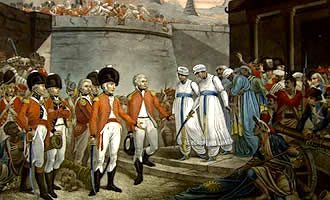

People’s resistance in India refers to various forms of opposition against British colonial rule. This resistance involved multiple social groups including peasants, artisans, tribals, and military personnel. Each group had distinct grievances but united in the common goal of ending British dominance. Notable forms of resistance included civil rebellions, tribal uprisings, and peasant movements.
Genesis of People’s Resistance
Before British rule, protests against local rulers were common. However, colonial policies intensified grievances. High taxes, corruption, and exploitation alienated various sections of society. The British focused on revenue extraction, ignoring local issues. This disregard led to armed resistance from those who felt oppressed.
Causes of People’s Uprisings
Key factors contributing to uprisings included:
- Colonial land revenue settlements and heavy taxation
- Eviction of peasants and encroachment on tribal lands
- Exploitation by intermediaries and moneylenders
- Destruction of indigenous industries and migration of workers
Civil Uprisings Defined
Civil uprisings were typically led by deposed rulers or local elites. They garnered support from peasants and demobilised soldiers. The uprisings were often responses to local grievances against British policies, particularly regarding land and taxation.
Major Causes of Civil Uprisings
Rapid changes in the economy and administration under British rule led to widespread discontent. Traditional zamindars and poligars lost their power and wealth. The decline of handicraft industries impoverished artisans. Religious leaders also played a role in inciting rebellion against alien rule.
Characteristics of Civil Uprisings
Civil uprisings shared several common traits:
- Localised in nature with specific grievances
- Led by traditional leaders seeking to restore former power
- Reflective of broader social and economic discontent
Important Civil Uprisings
Several notable civil uprisings occurred before 1857, including:
- Sanyasi Revolt (1763-1800)
- Moamaria Revolt (1769-99)
- Uprisings in Gorakhpur and Bahraich (1781)
- Revolt of Raja of Vizianagaram (1794)
- Resistance of Kerala Varma Pazhassi Raja (1797-1805)
Sanyasi Revolt (1763-1800)
The Sanyasi Revolt emerged from economic distress following the 1770 famine. Dispossessed peasants and small zamindars joined sanyasis in attacking British establishments. Leaders included Debi Chaudhurani, denoting women’s involvement in early resistance.
Moamaria Revolt (1769-99)
The Moamarias, low-caste peasants in Assam, challenged the Ahom kings. Their revolt weakened the Ahom authority and led to British intervention. The rebellion’s impact was , paving the way for future conflicts in the region.
Gorakhpur and Bahraich Uprisings (1781)
Warren Hastings’ revenue policies led to unrest in Gorakhpur and Bahraich. Excessive taxation prompted zamindars and cultivators to revolt against British officials. The uprising showcased the local resistance to colonial exploitation.
Revolt of Raja of Vizianagaram (1794)
Ananda Gajapatiraju’s death left a power vacuum in Vizianagaram. The East India Company imposed heavy tributes, leading to widespread discontent. The Raja’s defiance was met with military suppression, marking resistance against colonial rule.
Resistance of Kerala Varma Pazhassi Raja (1797-1805)
Pazhassi Raja led a guerrilla campaign against British forces in Kerala. His struggle against oppressive taxation and loss of autonomy exemplified local resistance. The conflict brought into light the ongoing struggle for sovereignty in the region.
Uprisings in Ganjam and Gumsur (1800, 1835-37)
The zamindar of Gumsur led a rebellion against oppressive revenue demands. The uprising reflected the broader discontent with British taxation policies. Despite initial successes, the revolt was ultimately suppressed by British forces.
Uprisings in Palamau (1800-02)
The Chero chief, Bhukhan Singh, led a rebellion against British rule in Palamau. The uprising was driven by agrarian distress. Although it was eventually quelled, it showcased the local resistance against colonial exploitation.
Poligars’ Revolt (1795-1805)
The poligars of South India resisted British encroachment on their territories. Kattabomman Nayakan emerged as a prominent leader. The revolt was rooted in grievances over taxation and loss of autonomy, culminating in brutal suppression by British forces.
Uprising in Bhiwani (1809)
The Jats of Bhiwani revolted against British rule due to economic distress. Their resistance required military intervention to suppress. The uprising brought into light the widespread discontent among agrarian communities.
Disturbances in Bundelkhand (1808-12)
Bundelkhand witnessed resistance from local chiefs against British authority. The uprising was marked by the strategic use of forts by the Bundela chiefs. Despite their efforts, British forces eventually suppressed the disturbances.
Parlakimedi Outbreak (1813-34)
The zamindar of Parlakimedi resisted British control following land acquisition. The revolt brought into light the ongoing struggle for local autonomy against colonial policies. British military intervention ultimately quelled the uprising.
Kutch Rebellion (1816-1832)
The Kutch Rebellion stemmed from internal power struggles and British interference. The local ruler sought to reclaim authority but faced military opposition. The rebellion telld the complexities of colonial governance in India.
Rising at Bareilly (1816)
The imposition of a police tax sparked a violent uprising in Bareilly. Religious sentiments intensified the conflict, leading to a communal uprising. The British response involved heavy military deployment to restore order.
Upsurge in Hathras (1817)
The talukdar Dayaram led a revolt in Hathras against oppressive revenue policies. The British military faced fierce resistance before eventually suppressing the uprising. The events brought into light the local struggles against colonial taxation.
Paika Rebellion (1817)
The Paiks of Odisha revolted against British rule following the dethronement of their Raja. Bakshi Jagabandhu Bidyadhar emerged as a key leader. The rebellion aimed to restore traditional authority and resist colonial exploitation.
Waghera Rising (1818-1820)
The Waghera chiefs resisted British encroachment in Gujarat. Their uprising was driven by economic grievances and a desire for autonomy. A peace treaty concluded the conflict, but tensions persisted.
Ahom Revolt (1828)
The Ahom prince Gomdhar Konwar led a rebellion against British annexation of Assam. The uprising sought to restore traditional authority but was ultimately suppressed. The conflict telld the resistance to British expansion in the region.
Surat Salt Agitations (1840s)
Local opposition to increased salt duties led to violent protests in Surat. The British were compelled to withdraw the additional tax in response to popular unrest. The agitation marked an early instance of collective resistance against colonial economic policies.
Kolhapur and Savantvadi Revolts
The Gadkaris, facing unemployment after disbandment, revolted in Kolhapur. Similarly, discontent in Savantvadi led to uprisings against British authority. Both revolts reflected the broader socio-economic challenges faced by local communities.
Wahabi Movement
The Wahabi Movement emerged as a religious revivalist effort, opposing British influence. It sought to restore Islamic values and challenged colonial authority. The movement played role in anti-British sentiments during the early 19th century.
Kuka Movement
Founded by Bhagat Jawahar Mal, the Kuka Movement transformed from a religious to a political campaign. It advocated for social reforms and sought to remove British rule from Punjab. The movement brought into light early nationalist sentiments among the Sikh community.
Peasant Movements with Religious Overtones
Various peasant uprisings incorporated religious elements. These movements often aimed at securing rights against oppressive landlords and colonial policies. Notable examples include the Narkelberia Uprising and the Faraizi Revolt.
Tribal Revolts Overview
Tribal uprisings were frequent and often violent. They stemmed from grievances against land encroachment and exploitation. Notable movements included the Pahariyas’ Rebellion and the Santhal Rebellion.
Important Tribal Movements of Mainland
Key tribal movements included:
- Pahariyas’ Rebellion (1778)
- Chuar Uprising (1766-1816)
- Kol Mutiny (1831)
- Ho and Munda Uprisings (1820-1837)
- Santhal Rebellion (1855-56)
Tribal Movements of the North-East
Tribal movements in the north-east were often linked to demands for autonomy. Significant uprisings included the Khasi Uprising and the Singphos Rebellion. These movements reflected the unique socio-political dynamics of the region.
Sepoy Mutinies
Military uprisings occurred sporadically before 1857. Discontent among sepoys stemmed from discrimination and mistreatment. Notable mutinies included the Vellore Mutiny and the revolt of the Grenadier Company.
Weaknesses of People’s Uprisings
Many uprisings were localized and lacked a unified leadership. They often arose from specific grievances rather than a broader national movement. The outdated tactics and weapons of the rebels contributed to their suppression.


