The agricultural trade relationship between the United States and India is evolving. The US aims to increase its market access for key crops like soyabean, corn, and cotton...
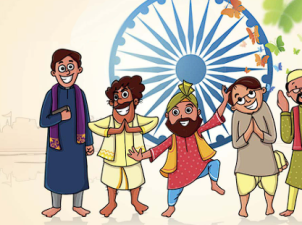
India is constitutionally defined as a secular state. Secularism implies that the state does not favour any religion. The preamble of the Constitution of India guarantees freedom of...
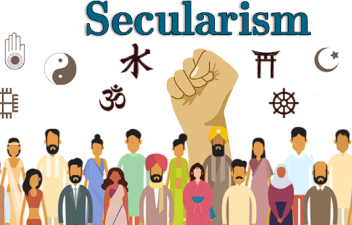
Secularism is the principle that promotes the separation of religion from state affairs. It ensures that the state does not favour any particular religion. In a secular state,...
Indian secularism is often defined as the separation of religion from the State. It aims to ensure that all religions receive equal treatment and respect. The Constitution of...
Secularism refers to the principle of separating religion from political, social, and educational institutions. It promotes the idea that the state should remain neutral regarding religious affairs. This...
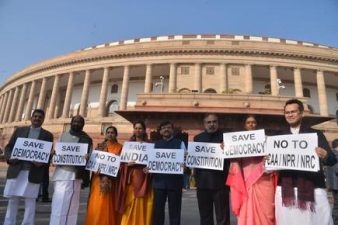
The Citizenship Amendment Act (CAA) was enacted in December 2019. It amends the Citizenship Act of 1955. The CAA provides a pathway to Indian citizenship for undocumented migrants...
Freedom of religion allows individuals to choose and practice their faith. It includes the right to preach and propagate one's beliefs. This freedom is protected from government interference....
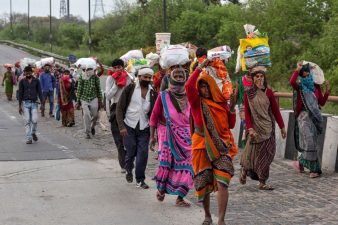
The term "migrant workers" refers to individuals who move from one region to another for work. Various definitions exist. The International Convention on the Protection of the Rights...
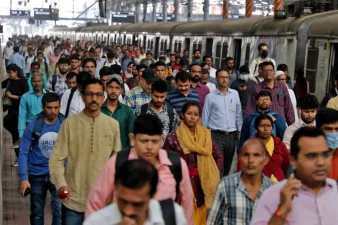
The Indian middle class has undergone transformation since the 1990s. This change coincides with India's economic liberalisation and globalisation. The middle class is often viewed as a very...
Capitalism has transformed the nature of work. The traditional roles of workers and employers have evolved. The rise of platform economies has blurred the lines between labour and...