Administrative systems refer to the frameworks and processes used to manage public administration. They encompass various structures, including bureaucracies and governance models. In India, these systems are influenced by colonial legacies and local traditions. They play a crucial role in implementing laws and policies. Effective administrative systems are vital for ensuring accountability and service delivery in government functions.
The Ministry of Rural Development in India has intensified efforts to ensure transparency and efficiency in the implementation of the Mahatma Gandhi National Rural Employment Guarantee Act (MGNREGA)....
The Mansabdari system was an administrative framework established by Mughal Emperor Akbar in 1571. It was a grading system used to determine the rank, responsibilities, and remuneration of...
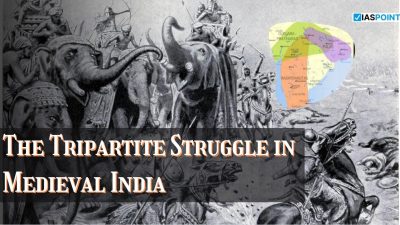
The Tripartite Struggle, also known as the Kannauj Triangle Wars, was conflict in northern India during the 8th and 9th centuries. It involved three major dynasties - the...
The Rashtrakutas emerged as a powerful dynasty in the early medieval period in deccan. They were initially vassals of the Chalukyas. The empire's foundation is attributed to Dantidurga,...
The early medieval period witnessed a fundamental restructuring of rural society. The decline of centralized imperial authority and the rise of land grants transformed the village from a...