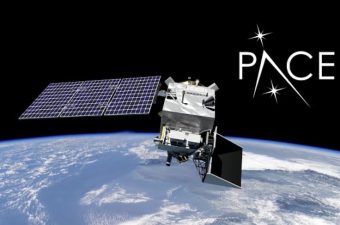
NASA’s PACE (Plankton, Aerosol, Cloud, ocean Ecosystem) satellite, launched in February 2024, entered a new operational phase in April 2026. It uses hyperspectral imaging to detect air pollutants...
Social change refers to alterations in societal structures and cultural norms over time. It is a constant and inevitable aspect of human existence. Changes can be gradual or...
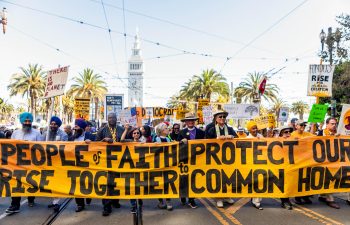
Religion plays a complex role in society. It can both instigate and inhibit social change. Various sociological perspectives offer differing views on this relationship. About these perspectives helps...
Social empowerment refers to the process that enables individuals and groups to gain control over their lives. It encompasses various concepts such as choice, liberty, agency, and self-sufficiency....
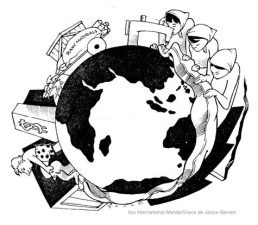
Globalization refers to the increasing interdependence and integration of economies, societies, and cultures worldwide. It involves the cross-border trade of goods, services, technology, investment, and the movement of...
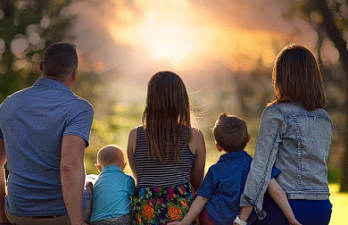
Family systems are the structures and dynamics through which families operate. Traditionally, families were often large and extended, including multiple generations. However, globalization has altered these structures, leading...
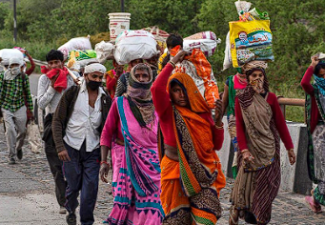
Migration refers to the movement of people from one place to another. It is often driven by the search for better opportunities. Individuals migrate for various reasons, including...
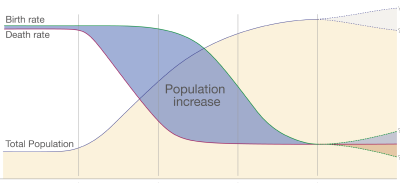
The Demographic Transition Theory (DTT) describes the shift in population dynamics from high birth and death rates to low birth and death rates. This transition occurs as societies...
The Sambal sub-scheme is a comprehensive initiative aimed at enhancing women's safety and empowerment in India. It includes several existing schemes and introduces new components to address gender...
Today, families come in various forms. Traditional family systems persist in remote regions, while developing countries witness changes. Factors like urbanisation and Western cultural influences reshape family dynamics....