British Colonialism refers to the period when Britain established colonies across various parts of the world. It involved the expansion of British influence and control. This era significantly shaped global trade, politics, and culture. It also led to the exploitation of resources and people. The legacy of British Colonialism is complex, affecting former colonies in diverse ways, including governance and cultural identity.
The partition of India in 1947 was a watershed moment in South Asian history. It divided British India into two independent dominions - India and Pakistan. The causes...
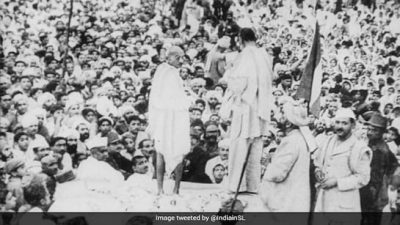
The Quit India Movement was a mass civil disobedience campaign launched by Mahatma Gandhi on 8 August 1942. It aimed for the immediate end of British rule in...
The Cripps Mission emerged during World War II. India faced immense pressure from the British government to support the war effort. The Indian National Congress and other political...
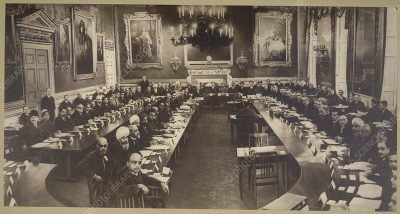
The Round Table Conferences were a series of meetings held in London from 1930 to 1932. They aimed to discuss India's constitutional future and the possibility of Dominion...
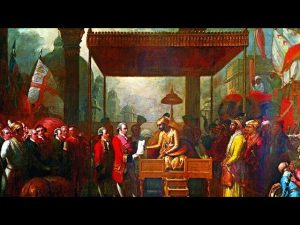
The British colonial rule in India began in the early 18th century. The East India Company established control over vast territories. The British government took direct control after...
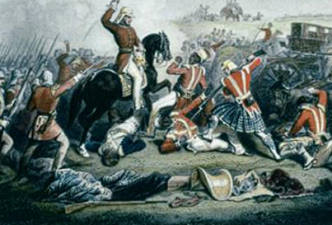
In 1858, the British Crown assumed control over India. This marked shift in governance. The British aimed to prevent further revolts, particularly after the 1857 uprising. About the...
By 1818, the British had established control over most of the Indian subcontinent. Punjab and Sindh were notable exceptions. British rule varied in nature; some regions were directly...
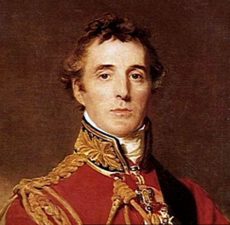
Introduction to Lord Wellesley Lord Richard Colley Wellesley was a British statesman and colonial administrator. He served as Governor-General of India from 1798 to 1805. Born on June...
The Doctrine of Lapse was a policy by the British East India Company in the mid-19th century. It aimed to annex princely states without a direct male heir....
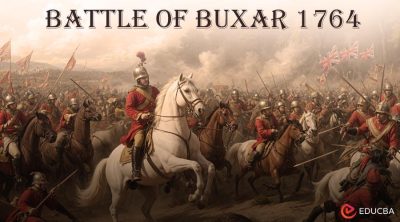
The Battle of Buxar was a very important conflict in Indian history. It occurred on October 22, 1764. This battle solidified British rule in India for nearly two...