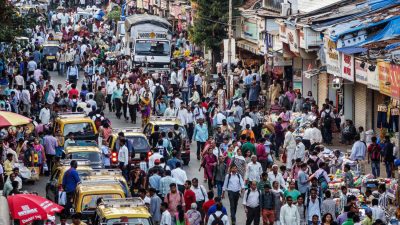
A census is a systematic count of a population. It collects demographic information such as age, gender, and occupation. In India, the census occurs every ten years. It helps the government plan resources and services. The data influences policy-making and development. Accurate census data is crucial for understanding societal changes. It reflects the diversity and complexity of the nation.
The census is a systematic process of collecting, analysing, and interpreting demographic data. In India, its history dates back to the early 19th century. The census has evolved...
India is the second most populous country in the world, with a population of approximately 1.4 billion. It occupies only 2.4% of the world’s land area but houses...
The ongoing delays in conducting the Indian Census have raised concerns about the impact on policy-making and resource allocation. As of 2024, the much-anticipated 2021 Census is projected...
As of 2024, the Government of India is preparing for a long-awaited Census, anticipated to be completed by 2026. This Census holds implications for the delimitation of constituencies...