Colonial history refers to the period when foreign powers established control over various regions. In India, British colonial rule lasted from the 18th to the mid-20th century. This eraly impacted the economy, culture, and social structures. It led to the introduction of new laws and educational systems. The struggle for independence shaped modern Indian identity and governance. Colonial legacies still influence contemporary society.
India has a rich history in trade and commerce. By the year 1000, it contributed nearly 30% of global GDP. This dominance continued until the 18th century, where...
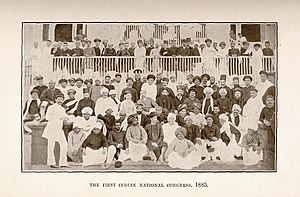
The Indian National Congress (INC) is a very important organisation in India's history. Established in 1885, it played important role in the country's struggle for independence from British...
The Regulating Act of 1773 and Pitt's India Act of 1784 are key legislative measures in British colonial history. They aimed to regulate the British East India Company's...
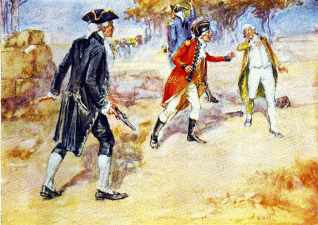
Warren Hastings was born on December 6, 1732, in Churchill, Oxfordshire, England. He joined the British East India Company at a young age. Hastings quickly rose through the...
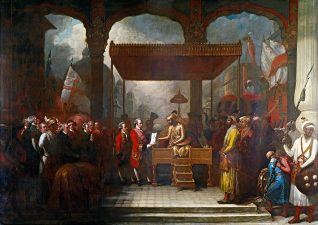
Diwani Rights refer to the legal authority to collect revenue from a specific territory. This term is primarily associated with the British East India Company's rights granted by...
The Dutch East India Company The Dutch East India Company (VOC) was established in 1602. It aimed to dominate the spice trade in the Far East. The Dutch...
In April 2024, Rashtrapati Ashiyana in Dehradun will become accessible to the public. This initiative is part of President Droupadi Murmu’s vision to open presidential estates nationwide. The...