Colonial India refers to the period of British rule in the Indian subcontinent. It lasted from the mid-18th century until 1947. This era significantly impacted India's economy, society, and culture. It introduced new legal systems and educational reforms. The struggle for independence emerged during this time. Various movements and leaders fought against colonial rule. The legacy of this period continues to shape modern India.
In India’s political and social imagination, colours have rarely been neutral. Among them, blue occupies a distinctive place, carrying an enduring association with protest, dignity, and the struggles...
The emergence of Indian capitalism began in the late 19th century. It marked shift in India's socio-economic landscape. Initially, Indian capitalists were few and primarily engaged in small-scale...
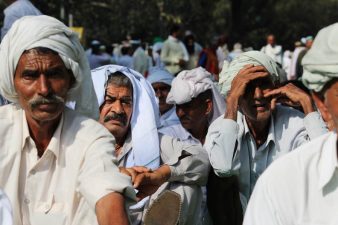
Peasant movements in colonial India emerged as a response to oppressive British economic policies. These movements were primarily driven by the hardships faced by farmers under colonial rule....
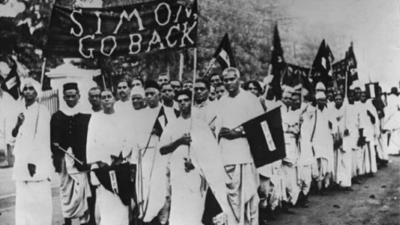
The Simon Commission and the Nehru Report were very important in India's struggle for independence. They represented responses to British colonial policies. The Simon Commission aimed to investigate...
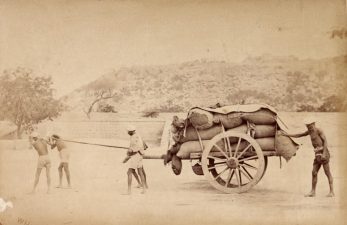
During British rule in India, infrastructure development was largely focused on the interests of the British Empire. The main aim was to extract resources and enhance trade routes....
The commercialisation of agriculture in India occurred during British colonial rule from the mid-18th century to 1947. This shift transformed farming practices, moving from subsistence to cash crop...
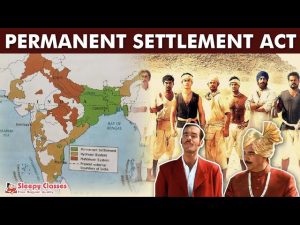
The Permanent Settlement of 1793, known as the Zamindari System, was a land revenue policy introduced by the British East India Company. Lord Cornwallis, the Governor-General, implemented this...
In recent events, Jagjit Singh Dallewal, a prominent farmer leader, has entered the 24th day of his fast unto death. His protest marks ongoing tensions regarding farmers' rights...